
Gorilla Trekking in Uganda
October 3, 2025
Safari Essentials in East Africa
October 3, 2025
Perfect Gorilla Trekking Experience, Gorilla trekking in Uganda is widely considered one of the most powerful wildlife encounters on earth. The rare opportunity to come face-to-face with a family of mountain gorillas in their natural rainforest home is a privilege few will ever experience. Uganda, often called the “Pearl of Africa”, is a global stronghold for these critically endangered primates, with over half of the world’s remaining population found in its protected forests.
Because of its uniqueness and the delicate ecosystems involved, gorilla trekking requires thoughtful preparation. With the right planning, your trek can be both comfortable and life-changing. Below are the essential tips for creating a truly unforgettable gorilla trekking adventure in Uganda.
1. Choose the Right Gorilla Trekking Destination
Uganda offers gorilla trekking in two national parks: Bwindi Impenetrable National Park and Mgahinga Gorilla National Park. Both provide incredible experiences, but they differ in size, trekking regions, and additional activities.
Bwindi Impenetrable National Park is the most famous option, recognized as a UNESCO World Heritage Site. It shelters the largest number of habituated gorilla families in Uganda, spread across four trekking sectors: Buhoma, Ruhija, Rushaga, and Nkuringo. Each region offers something unique, from lush valleys and waterfalls to more remote trails with fewer crowds. Bwindi is also known for its diverse forest, home to over 120 species of mammals and 350 bird species, making it a paradise for wildlife lovers.
Mgahinga Gorilla National Park, though smaller, has its own appeal. It forms part of the Virunga Volcanoes range, offering breathtaking landscapes of volcanic peaks and bamboo forests. Treks here usually focus on the Nyakagezi gorilla family, which is well habituated and rewarding to track. Mgahinga also gives visitors the chance to see golden monkeys, climb dormant volcanoes, or learn about Batwa culture.
When choosing between the two, consider not just gorilla viewing but also your broader interests—whether it’s birding, hiking, cultural encounters, or accessibility from your travel route.
2. Secure Your Gorilla Trekking Permit Early
Because of conservation efforts, only a limited number of visitors are allowed to trek each day, making permits highly sought after. A gorilla trekking permit is more than just a ticket—it is your passport to this once-in-a-lifetime encounter.
The cost of a permit in Uganda is $800 for foreign non-residents, $700 for foreign residents, and UGX 300,000 for East African citizens. While this may seem high, it directly contributes to conservation and supports local communities who share their land with gorillas.
Permits often sell out months in advance, especially in the high season (June–September and December–February). To avoid disappointment, it’s best to book your permit at least 6–12 months ahead of your trip. Most travelers work with a licensed tour operator who can arrange permits as part of a complete package that includes transportation and lodging.
3. Plan Your Travel and Accommodation
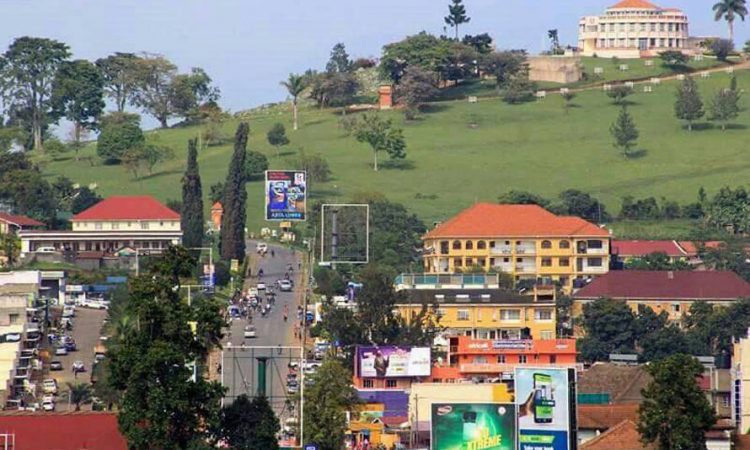
Both Bwindi and Mgahinga are located in southwestern Uganda, which is a considerable distance from the capital, Kampala, or Entebbe International Airport. Getting there typically involves an 8–10 hour scenic road journey, passing through rolling hills, tea plantations, and vibrant towns. For those who prefer less travel time, domestic flights are available to airstrips closer to the parks.
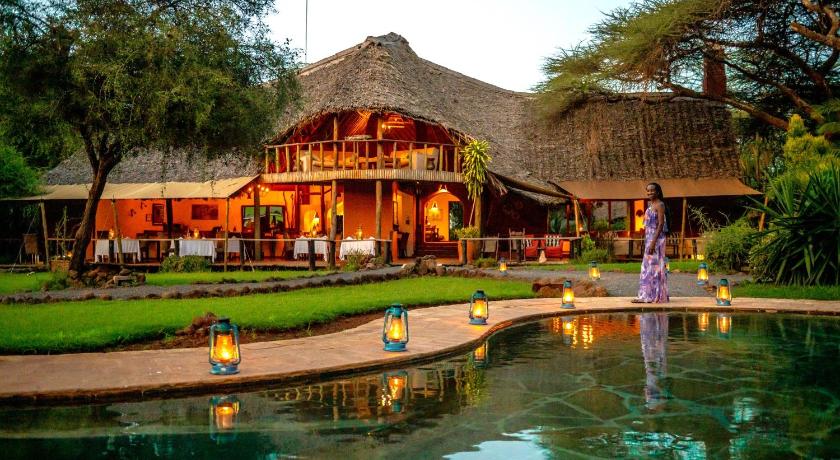
Accommodation near the parks is plentiful and caters to all budgets. If you’re seeking indulgence, luxury lodges offer beautiful forest views, gourmet dining, and spa services. For travelers wanting comfort without extravagance, mid-range eco-lodges provide sustainable stays with modern amenities. Budget-conscious travelers can opt for basic campsites and guesthouses, which are more affordable but still comfortable.
When choosing where to stay, keep in mind the location of your trekking sector. Being close to your assigned trailhead will save you from early morning drives and help you start your trek refreshed.
4. Pack Smart and Appropriately
The forest environment where gorillas live is dense, humid, and unpredictable. One moment the sun may be shining, and the next you could be hiking through heavy rainfall. Packing the right gear ensures that you stay comfortable and safe throughout the trek.
Opt for neutral-colored, breathable clothing that blends with the forest environment. Long sleeves and trousers are essential, as they protect against nettles, thorns, and biting insects. Sturdy, waterproof hiking boots are non-negotiable, given the muddy and uneven terrain. A good rain jacket or poncho will keep you dry during sudden showers, while a hat, sunscreen, and sunglasses will protect you on sunnier days.
Don’t forget smaller essentials such as insect repellent, a refillable water bottle, snacks, and a small backpack to carry them. A camera or binoculars is invaluable for capturing close-up moments with gorillas and spotting other forest wildlife—but always remember that flash photography is prohibited.
5. Prepare Physically
While gorilla trekking is accessible to most visitors, it can be physically demanding. The trails wind through steep hills, tangled vines, and sometimes slippery mud. Treks can last anywhere from two to six hours, depending on the gorilla family’s location that day.
Preparing your body in advance will make the trek far more enjoyable. Incorporate cardiovascular workouts like jogging, brisk walking, or cycling into your routine before the trip. Strength training and hiking practice will also help you get used to long walks over uneven terrain. The fitter you are, the easier it will be to focus on the magic of the experience rather than the effort of the climb.
6. Follow Trekking Guidelines
Uganda Wildlife Authority rangers provide a detailed briefing before every trek. These guidelines are designed to protect both you and the gorillas, ensuring encounters are safe and respectful.
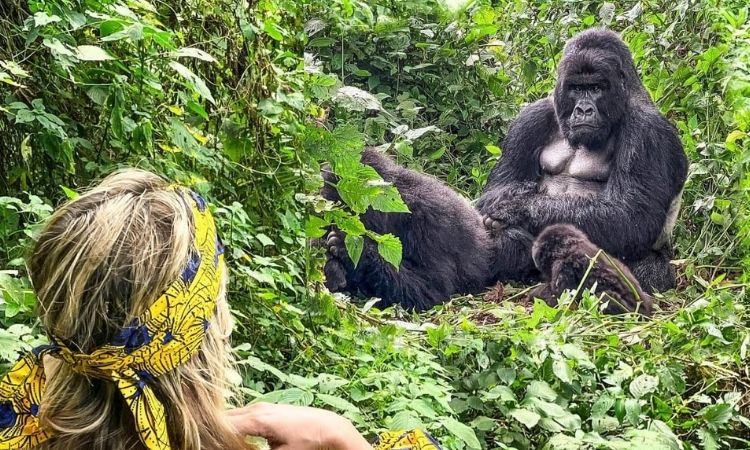
The most important rule is maintaining a minimum 7-meter distance from the gorillas. This reduces the risk of disease transmission and makes the gorillas more comfortable. Avoid making sudden movements, loud noises, or direct eye contact, as these can agitate the gorillas. If a gorilla comes close, remain calm and still—never attempt to touch them.
If you’re unwell with flu-like symptoms, it’s best to skip the trek, as gorillas are highly vulnerable to human illnesses. By following these rules, you help protect the gorillas for future generations of visitors.
7. Hire a Porter | Perfect Gorilla Trekking Experience
Even if you feel physically fit, hiring a porter can make a huge difference in your trek. Porters carry your backpack, offer a steady hand on slippery sections, and make the journey far less strenuous.
Beyond the practical benefits, hiring a porter also has a positive social impact. Many porters are former poachers or locals who now earn a living through tourism. Supporting their work directly benefits the community and strengthens conservation efforts.
8. Respect the Environment | Perfect Gorilla Trekking Experience
The forests of Bwindi and Mgahinga are fragile ecosystems that sustain not only gorillas but also countless other species of wildlife. Practicing responsible tourism ensures these habitats remain intact.
Stay on designated trails to avoid damaging vegetation. Always pack out any trash you bring in, and resist the temptation to pick plants or disturb the environment. By respecting the environment and following Leave No Trace principles, you help protect Uganda’s incredible biodiversity.
9. Capture the Memories | Perfect Gorilla Trekking Experience
Gorilla encounters are emotional and often overwhelming. While it’s important to stay present and soak in the experience, photographs and videos provide a way to relive the memories later.
Bring a good camera or smartphone, but remember to switch off the flash. Gorillas are sensitive to bright lights, and flash photography is strictly prohibited. Instead, focus on capturing natural moments—such as a silverback watching over his family or playful juveniles tumbling in the undergrowth. These images will be priceless souvenirs of your trek.
10. Embrace the Experience | Perfect Gorilla Trekking Experience
Above all, remember that gorilla trekking is more than just a hike—it’s an emotional journey. The anticipation of tracking through the forest, the first glimpse of a gorilla in the distance, and the quiet moments spent watching them go about their daily lives create an unforgettable connection with nature.
Take your time to breathe it all in. Trust your guides, stay calm, and allow yourself to be immersed in the beauty and wonder of the rainforest. Few experiences on earth compare to sitting quietly, just meters away from one of our closest relatives.
Final Thoughts
A gorilla trekking adventure in Uganda is not just about seeing wildlife—it’s about conservation, community, and the privilege of connecting with one of the planet’s most remarkable species. By choosing your destination carefully, securing your permits, preparing physically, and respecting both gorillas and their habitat, you ensure your experience will be meaningful and unforgettable.
Uganda’s mountain gorillas are waiting deep within the forests of Bwindi and Mgahinga. With proper planning, your journey to meet them will become one of the most extraordinary highlights of your life.