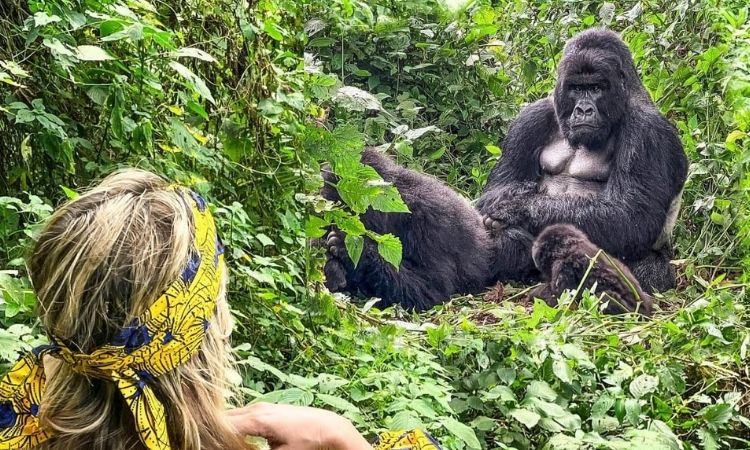
Also known as the M-group, the Mubare Gorilla Family is one of the oldest habituated gorilla groups in Bwindi Impenetrable Forest National Park. Its habituation began in 1991, and it became the first group in Uganda to be opened for tourism in 1993. The group derives its name from the scenic Mubare Hills, where it was first discovered.
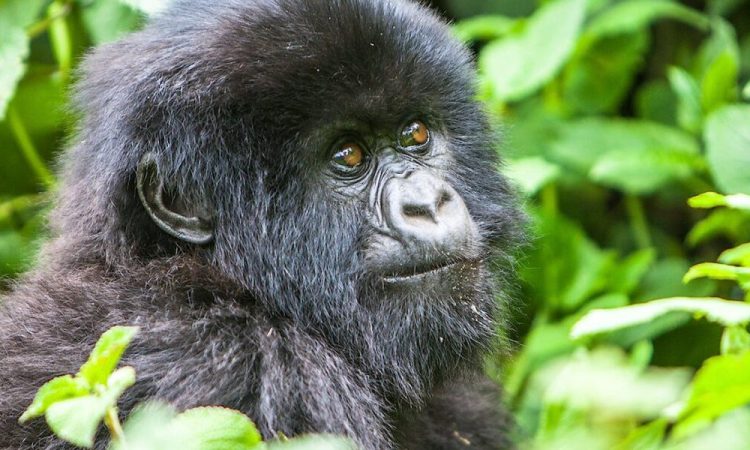
Initially, the Mubare group consisted of 12 members under the leadership of the dominant silverback Ruhondeza. However, following Ruhondeza’s death, the group’s numbers declined to just five. In 2013, four more mountain gorillas joined the group, raising the total to nine individuals. The group included one silverback, a blackback, an adult female, and two juveniles. Leadership later passed to silverback Kanyonyi, with Kashundwe, then an infant, among the notable members.
The Mubare group is often considered relatively easier to track compared to others, though the duration of the trek can vary significantly depending on the group’s location. While they once stayed close to the Buhoma park headquarters, they now range deeper into the forest, and tracking them can take over five hours.
Still, visitors trekking the Mubare family benefit from the convenience of starting at the Buhoma trailhead, making it a favorable option for those exploring the northern side of Bwindi.
Habinyanja gorilla family in Buhoma Sector of bwindi impenetrable
Also known as the H-group, the Habinyanja Gorilla Family is one of the earliest habituated gorilla groups in the Buhoma sector of Bwindi Impenetrable Forest National Park. The group was habituated in 1997 specifically for tourism and received its first visitors in 1999. Since then, it has attracted thousands of tourists from around the globe.
The name Habinyanja is derived from the local word “Nyanja,” meaning swamp, referencing the area where the group was first sighted. At its core, the group is known for its large size and social complexity. It typically consists of around 18 members, including two silverbacks, although this number often changes due to births, deaths, and occasional group splits.
Trekking the Habinyanja family can be a lengthy adventure, often taking five hours or more, depending on the gorillas’ location on a given day. As with many mountain gorilla families, internal dynamics sometimes lead to splits, a behavior not unlike human social structures. These changes are a natural part of gorilla life and can lead to the formation of new groups over time.
Tracking the Habinyanja group offers a rewarding and immersive experience, especially for visitors beginning their trek at the Buhoma trailhead.
Rushegura gorilla family in Buhoma Sector of bwindi impenetrable
Often referred to as the R-group, the Rushegura Gorilla Family is one of the most well-known and sizeable gorilla groups in the Buhoma sector of Bwindi Impenetrable Forest National Park. This group was habituated in 2000 and welcomed its first tourists in 2002. It originally splintered from the larger Habinyanja family, making it one of the most prominent offshoot groups in the park.
Rushegura is made up of approximately 21 individuals, including one silverback, one blackback, five adult females, two sub-adults, six juveniles, and six infants. The group is recognized for its relatively calm demeanor and is often found close to the Buhoma park headquarters, making it a favorable option for visitors seeking a shorter trekking experience—typically under five hours.
However, it’s important to note that while the Rushegura group frequently stays near the park boundary, they are also known to occasionally wander beyond it. In such cases, visitors staying nearby may even catch glimpses of the group outside the forest, especially in the early morning.
For travelers looking for a less strenuous trek and the chance to observe a larger family of mountain gorillas, Rushegura offers an excellent opportunity—though, as with all wildlife encounters, sightings can’t be guaranteed due to the gorillas’ movement patterns.
Go Gorilla Trekking in Buhoma Sector of bwindi impenetrable
A trip to Buhoma sector is worth it given that it is the oldest region in the entire protected areas and the first to receive the tourists on gorilla safaris in Uganda. Visitor experiences in this area are facilitated by a number of accommodation facilities which range from luxury to budget, most of which include Buhoma Lodge, Mahogany springs, Sanctuary Gorilla Camp, Silverback Lodge, Buhoma Community Rest Camp, Engagi Lodge, Huhoma Haven Lodge Bwindi Lodge and many more. With these numerous accommodation and lodging facilities, you have a reason to pay a visit to this region for your lifetime adventures with the rare mountain gorillas while they are in their natural habitat.
Bird watching
Buhoma is a rewarding base for bird watchers hosting over 190 species. The area hosts largely low-altitude forest bird species including ten Albertine endemics. Among the popular sightings in Buhoma include the Great Blue Turaco, the black billed Turaco, bar tailed Trogon, several greenbuls, etc.
One of the popular trails to follow while birding through Buhoma is the Munyaga River Trail. The open road also offers great opportunities with sightings of an average of over 40 bird species on a morning birding session.
Batwa Visits
The most aunthentic Batwa Experience is provided in the Buhoma Sector. There is an organised Batwa Community where you can have a half day encounter in a patch of the private forest the real Batwa Experience. The experience takes you through a fascinating insight into how the Batwa lived within the forests before they were evicted to create a safe haven for the mountain gorillas. Some of the traditions to experience include traditional forest life that was characterized with hunting, honey harvesting, fruit gathering etc. The Batwa Experience is offered by the Batwa Development Programme.
How to get to Buhoma area
The Buhoma region of Bwindi Impenetrable Forest National Park is among the most accessible and rewarding destinations for gorilla trekking in Uganda. Reaching Buhoma by road takes a full day’s drive from Entebbe or Kampala, approximately six hours from Lake Mburo National Park, and just two hours from Queen Elizabeth National Park. Its close proximity to Queen Elizabeth’s southern Ishasha sector, known for tree-climbing lions, makes Buhoma one of the most convenient entry points into Bwindi.
For those preferring to fly, there are scheduled and chartered flights from Entebbe International Airport or Kajjansi Airfield to Kihihi airstrip, followed by a 1.5-hour drive to Buhoma, though travel time may vary depending on road conditions.
Buhoma’s central location within Bwindi makes it easy for visitors to explore other sectors of the park. For example, it’s just a 2-hour drive to Ruhija, located on the park’s eastern side. Adventurous travelers can also access the Nkuringo sector, in the southern part of the park, via a scenic 3-hour forest walk along the Nkuringo trail.
Beyond gorilla trekking, Buhoma is a hub for conservation and community engagement. Visitors can support or participate in various initiatives, including:
-
Conservation Through Public Health (CTPH)
-
Human-Gorilla Conflict Resolution (HUGO)
-
Local schools and community health programs such as Bwindi Community Hospital
-
Cultural visits to the Batwa community, the original forest dwellers
The region also offers guided nature walks, taking visitors along trails that lead to three picturesque waterfalls. Along the way, you’ll have the chance to spot colorful butterflies, a variety of bird species, primates, and native plant life. After your gorilla trek, you can also enjoy a Buhoma village walk for deeper insight into the local culture and way of life.
In conclusion, Buhoma is a standout trailhead for any gorilla safari in Uganda. Its accessibility, rich history, diverse wildlife, and meaningful community initiatives make it a top choice for travelers seeking a well-rounded and impactful wildlife experience.
Where to Stay in Bwindi
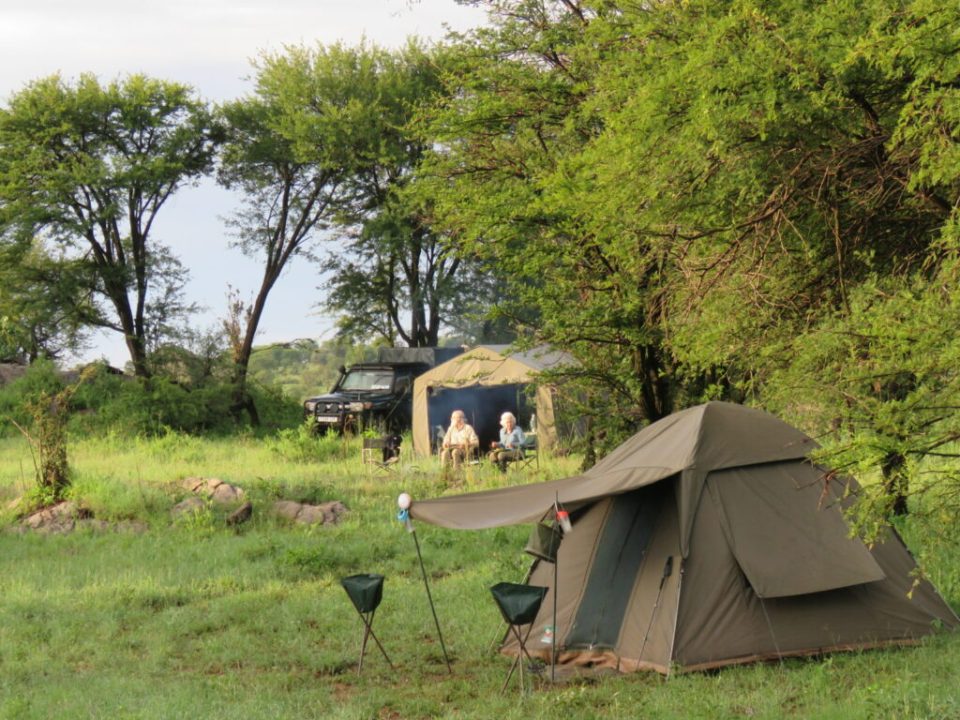
Camping facilities, bandas, and a deluxe tented camp are available at Buhoma. There are no camping sites within the National Park at Buhoma. There is a simple campsite and banada accommodation currently at Nkuringo.
Nature Access Lodge (Bwindi Backpackers)
Buhoma Community Rest Camp
Lake Kitandara Tented Camp
Buhoma Lodge
Volcanoes Bwindi Lodge
Engagi Lodge
Gorilla Forest Camp
Gorilla Resort
Silverback Lodge