
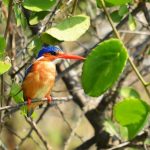
Bigodi Wetland Sanctuary
August 20, 2025
Uganda’s best birding destinations
August 20, 2025
Why Bird Watching in Uganda?
1. Unmatched Diversity

Uganda is often described as Africa’s richest birding destination, and for good reason. It is home to over 1,000 bird species, representing nearly half of Africa’s bird population and about 11% of all the birds in the world. This extraordinary diversity is possible because of Uganda’s unique geographical location at the meeting point of several ecosystems:
-
East African savannahs, which host open-country birds like weavers, storks, and raptors.
-
Central African rainforests, which shelter forest specialists such as hornbills and turacos.
-
The Albertine Rift, a biodiversity hotspot that supports rare and endemic species found nowhere else on earth.
This combination makes Uganda a dream destination for birders who want to experience a wide range of habitats and birdlife within a relatively small country.
2. Rare and Endemic Birds – Bird Watching in Uganda

Beyond sheer numbers, Uganda stands out for its rare and localized bird species. Many of these are “bucket list birds” for passionate birdwatchers, and spotting even one of them can be the highlight of a trip. Some of the most iconic include:
-
Shoebill Stork – This prehistoric-looking giant is often called a “must-see” for birders. With its massive shoe-shaped bill and slow, deliberate movements, it feels like a living relic. Best seen in wetlands like Mabamba Bay near Entebbe or along the Nile in Murchison Falls National Park.
-
Great Blue Turaco – A strikingly colorful bird, with bright green, blue, and yellow plumage. It’s relatively easy to see in Uganda’s forests such as Kibale, Bigodi Wetland, and Bwindi, and its loud calls often give it away.
-
Green-breasted Pitta – One of Africa’s hardest-to-see species. Birders travel from all over the world to spot this elusive bird in Kibale Forest, where it displays at dawn during the breeding season.
-
Rwenzori Turaco – Endemic to the Albertine Rift, this dazzling bird with crimson wing feathers is found in the montane forests of the Rwenzori Mountains and Bwindi Impenetrable Forest.
-
African Green Broadbill – A rare forest jewel, also endemic to the Albertine Rift, it can be seen in the Mubwindi Swamp trail of Bwindi. Its bright green plumage blends perfectly with the forest canopy, making it a thrilling find.
These species, alongside others like the Bar-tailed Trogon and Shelley’s Crimsonwing, make Uganda a global hotspot for serious birdwatchers.
3. Year-Round Birding – Bird Watching in Uganda

One of the greatest advantages of birding in Uganda is that it’s excellent all year round. Being located on the equator, the country enjoys a relatively stable climate, with no extreme seasonal shifts that limit birding. Still, some months are especially rewarding:
-
December to February & June to September: These are the dry seasons, making birdwatching easier because trails are more accessible, and many resident species are highly active. Photography conditions are also better with clearer skies.
-
November to April: This period attracts migratory birds from Europe and Asia, adding an extra layer of excitement for birders who want to see species they couldn’t encounter elsewhere in Africa.
-
Rainy seasons (March–May, October–November): While trails may be muddy, this is also the breeding season for many species, so bird activity is high, and landscapes are beautifully lush — perfect for photographers.
In short, no matter when you visit Uganda, you’ll be rewarded with rich birdlife and spectacular encounters.
Top Bird Watching Destinations in Uganda
1. Mabamba Bay Wetland (Lake Victoria)

Located just an hour from Entebbe, Mabamba Bay is the most reliable place in Uganda to see the Shoebill Stork, perhaps the most sought-after bird in Africa. This prehistoric-looking giant, with its enormous shoe-shaped bill, often stands motionless in the papyrus swamps waiting to catch lungfish.
-
Recognized as a Ramsar site (wetland of international importance), Mabamba supports a wide variety of waterbirds.
-
Birders can expect to see the Papyrus Gonolek, the dazzling Malachite Kingfisher, Blue Swallow, and African Jacana.
-
Most birding is done by canoe with local guides, making for a peaceful and immersive wetland experience.
2. Bwindi Impenetrable National Park

A UNESCO World Heritage Site, Bwindi is not only famous for its endangered mountain gorillas but also ranks among Africa’s top birding destinations. With over 350 bird species, including 23 Albertine Rift endemics, it is a paradise for serious birders.
-
Highlights include the African Green Broadbill, Regal Sunbird, Rwenzori Batis, Grauer’s Rush Warbler, and Shelley’s Crimsonwing (one of Africa’s rarest finches).
-
Birding here often combines with gorilla trekking, offering a unique opportunity to enjoy primates and birds in the same trip.
-
The Mubwindi Swamp Trail is particularly rewarding for rare sightings.
3. Kibale National Park & Bigodi Wetland Sanctuary
Kibale is widely known as Uganda’s primate capital with 13 primate species, but it’s equally rich in birds with 375+ species recorded.
-
The Green-breasted Pitta, one of Africa’s most elusive birds, is the main draw and can sometimes be seen at dawn during breeding season.
-
The nearby Bigodi Wetland Sanctuary, a community-run reserve, is a hotspot with over 200 species, including the spectacular Great Blue Turaco, African Pygmy Kingfisher, and White-spotted Flufftail.
-
Easy trails and knowledgeable community guides make Bigodi an excellent add-on for both beginner and expert birders.
4. Queen Elizabeth National Park

With over 600 species, Queen Elizabeth National Park boasts the highest bird count of any national park in East Africa. Its diverse habitats — lakes, wetlands, savannahs, and forests — make it a year-round birding hub.
-
Best birding spots include the Kazinga Channel, Maramagambo Forest, and the Mweya Peninsula.
-
Signature sightings: African Skimmer, Pink-backed Pelican, White-winged Tern, Martial Eagle, and numerous migratory species from November to April.
-
Birding safaris here also combine with game drives, making it perfect for those who want wildlife variety.
5. Murchison Falls National Park

Uganda’s largest park, with over 450 bird species, is an excellent mix of savannah, riverine, and woodland birding.
-
The Nile Delta boat ride is a highlight, offering prime chances of spotting the Shoebill alongside Goliath Herons, Saddle-billed Storks, and African Fish Eagles.
-
Other specialties include the Abyssinian Ground Hornbill, Secretary Bird, and Northern Red Bishop.
-
Birding is easily combined with the park’s dramatic waterfall views and big-game safaris.
6. Semuliki National Park

Known as Uganda’s “True Birder’s Haven”, Semuliki lies in the western lowlands and is unique because its birdlife resembles that of the Congo Basin, offering species rarely seen elsewhere in East Africa.
-
With over 400 bird species, key highlights include the Congo Serpent Eagle, Nkulengu Rail, Black-wattled Hornbill, and White-crested Hornbill.
-
The park’s hot springs and lush forest trails add to the experience, making it one of the most rewarding birding destinations for those seeking rarities.
7. Rwenzori Mountains National Park
For those who enjoy birding at altitude, the Rwenzori Mountains (the “Mountains of the Moon”) offer alpine bird species not easily found elsewhere.
-
Species to look for include the Rwenzori Turaco, Scarlet-tufted Malachite Sunbird, Bearded Vulture, and Lammergeier.
-
The montane habitats provide a completely different birding experience compared to Uganda’s lowland forests and savannahs.
-
Hiking while birding here rewards visitors with spectacular scenery alongside rare sightings.
8. Lutembe Bay (Lake Victoria)

Located on the northern shore of Lake Victoria, Lutembe Bay is a Ramsar site and one of the most important stopovers for migratory birds in East Africa.
-
It is world-famous for hosting over 1.5 million White-winged Black Terns during peak migration.
-
Other specialties include the Papyrus Yellow Warbler, African Marsh Harrier, and a variety of waders and gulls.
-
Birding is best done by boat, and the sheer spectacle of thousands of migratory birds in flight is unforgettable.