Top adventures to do at Mountain Elgon National Park
June 9, 2026
Best steps to take while booking a tour to Uganda
June 15, 2026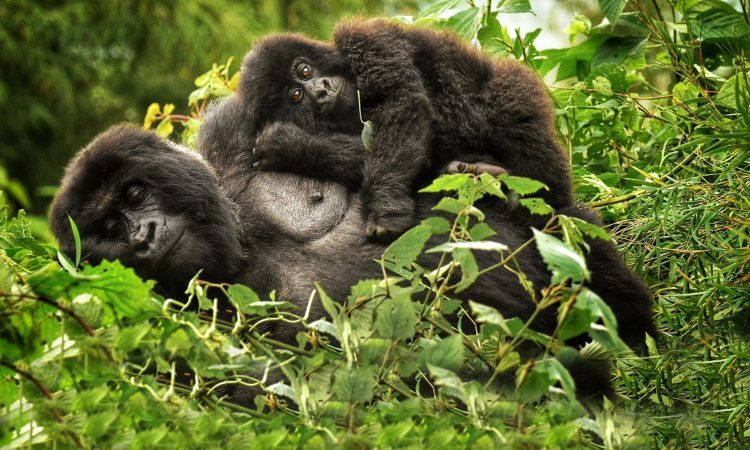
What exactly happens during gorilla trekking in Uganda- Gorilla trekking is one of the most popular wildlife activities in Uganda. Every year, thousands of travelers visit the country to spend time with mountain gorillas in their natural forest habitat. Unlike watching animals from a safari vehicle, gorilla trekking involves walking through the forest with experienced guides to find a gorilla family and observe them from a close but safe distance.
Uganda is home to almost half of the world’s remaining mountain gorillas, making it one of the best destinations for this experience. Gorilla trekking mainly takes place in Bwindi Impenetrable National Park and Mgahinga Gorilla National Park, two protected areas in the southwestern part of the country.
Many travelers combine gorilla trekking with other Uganda safaris to explore the country’s rich wildlife, landscapes, and cultural attractions. Whether you are interested in Uganda wildlife safaris, Uganda adventure safaris, African safaris, or African adventure safaris, gorilla trekking is often one of the highlights of the journey.
But what exactly happens during gorilla trekking in Uganda? From the early morning briefing to the moment you meet a gorilla family in the forest, this guide explains every step of the experience.
Arriving at the Gorilla Trekking Destination
Most visitors arrive in southwestern Uganda a day before their trek. Depending on the chosen park, travelers stay in lodges located near the trekking starting points.
Bwindi Impenetrable National Park has several trekking sectors including Buhoma, Ruhija, Rushaga, and Nkuringo. Each sector has habituated gorilla families that visitors can track.
Many visitors travel by road from Kampala or Entebbe, while others choose domestic flights to nearby airstrips to reduce travel time. Upon arrival, visitors relax and prepare for the next day’s adventure.
Guides usually advise guests to wear appropriate clothing, carry drinking water, and prepare for varying weather conditions since the forests can be cool, wet, and muddy.
The Early Morning Briefing
The trekking day starts very early. Visitors gather at the park headquarters, usually before 8:00 AM. Here, park rangers conduct a briefing about the rules and expectations for the trek.
During the briefing, visitors learn important guidelines such as:
- Maintaining a safe distance from the gorillas.
- Avoiding loud noises.
- Not using flash photography.
- Following the instructions of the ranger guides.
- Staying with the group throughout the trek.
Visitors are then assigned to specific gorilla families based on factors such as age, fitness level, and personal preferences where possible.
Each trekking group is limited to a small number of people to minimize disturbance to the gorillas and protect their habitat.
Meeting the Ranger Guides and Trackers
After the briefing, visitors meet the ranger guides who will lead the trek. These guides are highly trained and have extensive knowledge of the forest, wildlife, and gorilla behavior.
Before tourists begin walking, trackers who entered the forest earlier communicate the location of the gorilla family. These trackers monitor gorilla movements and help guides locate them efficiently.
The teamwork between guides and trackers plays an important role in making the trekking experience successful and safe.
Beginning the Forest Hike
Once preparations are complete, visitors start walking into the forest. The length and difficulty of the trek vary greatly depending on the location of the gorillas on that particular day.
Some groups may find gorillas within an hour, while others may spend several hours hiking through dense vegetation and steep terrain.
As visitors walk through the forest, they experience the natural beauty of Uganda’s mountain landscapes. The trails may pass through bamboo forests, thick vegetation, streams, hills, and valleys.
This part of the journey is often considered one of the most exciting aspects of Uganda adventure safaris because every trek is different and unpredictable.
Wildlife Encounters Along the Way
Although the main goal is to find gorillas, visitors often encounter other wildlife species during the trek.
Some of the animals and birds that may be seen include:
- Forest elephants
- Bush pigs
- Various monkey species
- Chameleons
- Butterflies
- Colorful forest birds
Bwindi is particularly famous for its birdlife and is recognized as one of Africa’s important birding destinations.
These additional wildlife encounters make gorilla trekking a valuable addition to Uganda wildlife safaris and broader African safaris.
Following Signs of the Gorilla Family
As the group moves deeper into the forest, guides begin identifying signs that indicate the gorillas are nearby.
These signs may include:
- Fresh footprints
- Broken branches
- Gorilla nests
- Feeding remains
- Droppings
The excitement grows as visitors realize they are getting closer to the gorilla family.
Guides often stop to explain how gorillas live, feed, communicate, and interact within their family groups. These explanations help visitors better understand the animals before the actual encounter.
The First Sight of the Gorillas
One of the most exciting moments happens when the guides quietly announce that the gorillas have been found.
Visitors are usually asked to leave walking sticks and extra luggage behind before approaching the animals.
The group then moves slowly and quietly toward the gorillas.
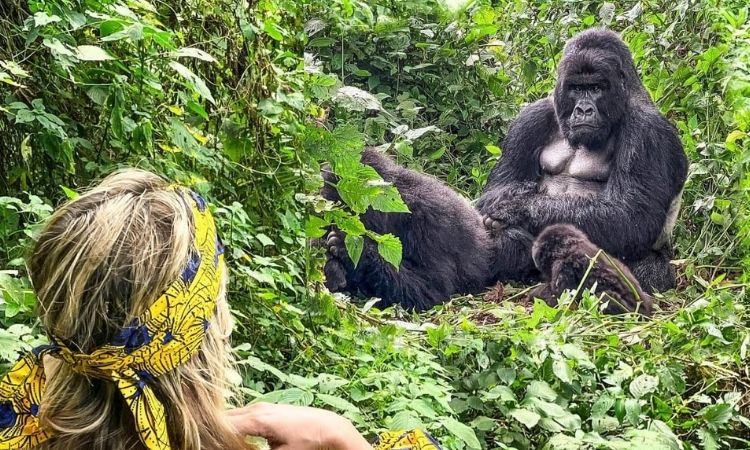
The first sight of a mountain gorilla can be surprising. Some may be feeding peacefully, while others may be resting, grooming, or playing among the vegetation.
Many visitors are impressed by the calm nature of the gorillas and their close resemblance to humans.
Spending One Hour with the Gorillas
Once the gorillas are located, visitors are allowed to spend one hour observing them.
This one-hour period is carefully regulated by the Uganda Wildlife Authority to reduce stress on the animals.
During the visit, tourists can observe:
Feeding Behavior
Gorillas spend much of their day eating leaves, stems, roots, fruits, and other vegetation.
Visitors often watch them moving slowly through the forest while feeding.
Social Interactions
Gorillas live in family groups led by a dominant silverback male.
Family members interact through grooming, communication sounds, and body language.
Playful Young Gorillas
Young gorillas are often very active.
They climb trees, chase one another, roll on the ground, and engage in playful behavior that many visitors enjoy watching.
The Silverback’s Role
The silverback is the leader and protector of the family.
Visitors often observe him monitoring group activities while ensuring the safety of the family members.
Photography During Gorilla Trekking
Photography is allowed during gorilla trekking, making it possible for visitors to capture memories of the experience.
Guides encourage visitors to:
- Turn off camera flash.
- Remain calm while taking photos.
- Avoid sudden movements.
- Follow photography instructions given by rangers.
Because the gorillas often move naturally within the forest, every photograph captures a unique moment.
For many travelers participating in African adventure safaris, photographing mountain gorillas becomes one of the most valued parts of their trip.
Leaving the Gorilla Family
After one hour, the ranger guide signals that it is time to leave.
Many visitors feel that the hour passes very quickly because they become deeply focused on observing the gorillas.
The group quietly moves away, allowing the gorillas to continue their daily activities undisturbed.
Although the encounter ends, the experience often leaves a lasting impression because of the close connection visitors feel with these animals.
Returning to the Starting Point
After leaving the gorillas, visitors begin the return hike back to the park headquarters.
Depending on the trekking distance, the return journey may take anywhere from one to several hours.
Along the way, guides often answer questions about conservation, local communities, and wildlife management.
This part of the trek provides an opportunity to reflect on the experience while enjoying the forest scenery.
Receiving a Gorilla Trekking Certificate
At the end of the trek, visitors receive a certificate recognizing their participation in gorilla trekking.
Many travelers keep these certificates as souvenirs of their visit to Uganda.
The certificate also serves as a reminder that their permit fees contributed to gorilla conservation efforts and community development programs.
Why Safety Rules Are Important
The rules followed during gorilla trekking are designed to protect both visitors and gorillas.
Mountain gorillas share much of their genetic makeup with humans, which means they can catch some human illnesses.
Maintaining distance and following health guidelines helps reduce disease transmission.
The rules also ensure that gorillas continue behaving naturally without becoming overly dependent on human presence.
Conservation remains one of the most important goals of gorilla tourism in Uganda.
Combining Gorilla Trekking with Other Uganda Safaris
Many travelers extend their trips beyond gorilla trekking.
Popular additions include:
Game Drives
National parks such as Queen Elizabeth National Park and Murchison Falls National Park offer opportunities to see lions, elephants, buffaloes, giraffes, and other wildlife.
Chimpanzee Tracking
Chimpanzee tracking in Kibale National Park is another popular wildlife activity.
Boat Safaris
Boat cruises along rivers and lakes provide opportunities to view hippos, crocodiles, and numerous bird species.
and numerous bird species.
Cultural Experiences
Visitors can interact with local communities and learn about traditional customs, music, and lifestyles.
Combining these activities creates a complete Uganda wildlife safaris experience and allows travelers to discover different aspects of the country.
Gorilla trekking in Uganda is much more than simply seeing gorillas. It is a guided journey through protected forests, an opportunity to learn about wildlife conservation, and a chance to observe one of the world’s most fascinating animals in its natural environment.
From the early morning briefing and forest hike to the one-hour encounter with a gorilla family, every stage of the experience offers something meaningful. The trek combines adventure, education, conservation, and wildlife viewing in a way that few other activities can match.
For travelers interested in Uganda safaris, Uganda wildlife safaris, Uganda adventure safaris, African safaris, and African adventure safaris, gorilla trekking remains one of the most rewarding wildlife experiences available in Africa.