
Top spots for group tours in Kenya
March 30, 2026
Wildlife at Mgahinga National Park-Uganda safaris
March 31, 2026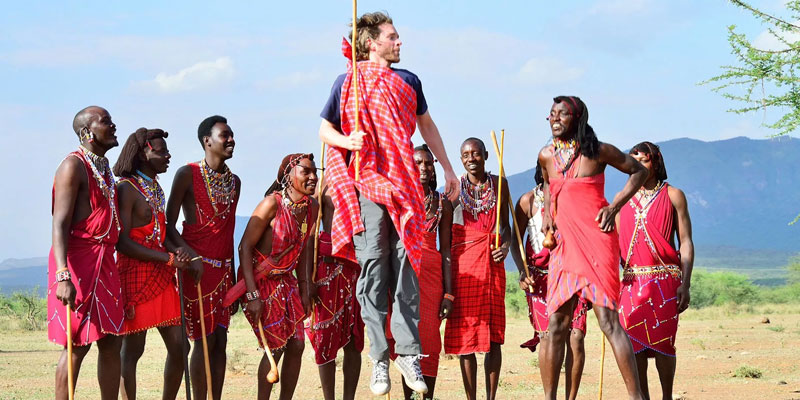
Where to go for cultural tours in Kenya- offers a wide set of cultural experiences alongside its famous wildlife. From coastal Swahili towns to pastoralist homesteads, cultural tours reveal daily life, crafts, music, and food. These visits add people-centered context to Kenya safaris, Kenya wildlife safaris, and Kenya adventure safaris, helping travelers understand how conservation, tourism, and community life connect. For visitors interested in African safaris or African adventure safaris, mixing cultural time with game drives, hikes, or beach days creates a richer trip. Below are areas and communities across Kenya where cultural tours are strong, with clear explanations of what groups can expect and how a visit supports local people.
Where to go for cultural tours in Kenya
Lamu Town and the Swahili Coast
Lamu Town, on a narrow island off Kenya’s northern coast, holds a living Swahili culture shaped by centuries of Indian Ocean trade. Stone buildings, narrow lanes, and dhow traffic show this long history. Cultural tours in Lamu often include visits to local workshops where carvers and weavers work, guided walks through the old town, and seafood meals with families or small restaurants. Visitors can learn about Swahili architecture, dhow building, and Islamic heritage while enjoying slower island life. Coastal cultural time pairs naturally with Kenya safaris or a beach extension after inland wildlife viewing, offering a clear contrast between coastal traditions and savanna landscapes.
Mombasa and the Coast’s Cultural Circuit
Mombasa blends Swahili, Arab, Indian, and European influences and serves as a hub for coastal culture. Cultural tours here include Fort Jesus, spice-market visits, and guided food walks that introduce Swahili dishes and coastal cooking methods. Nearby towns and villages offer opportunities to see dhow-making yards, traditional fishing methods, and community markets where local crafts are sold. Groups completing Kenya wildlife safaris often extend to the coast for relaxation and cultural learning. Cultural guides in Mombasa can arrange homestays or community visits that let travelers meet cooks, artisans, and small-business owners who rely on both local trade and tourism.
Kisumu and Luo Cultural Experiences
Kisumu, on Lake Victoria’s northeastern shore, is the center for Luo cultural tours. The Luo people have distinct music, storytelling, and fishing traditions tied to the lake. Tours often feature visits to fishing villages, demonstrations of traditional net fishing, cultural centers showing Luo history, and local markets where lakeshore produce and crafts are sold. Lake Victoria’s ecosystems and human livelihoods are closely linked, so cultural tours here can be combined with birding, boat trips, and wetland visits as part of Kenya wildlife safaris. Visiting Kisumu helps travelers see how lakeside communities adapt to environmental change while preserving cultural practices.
Nairobi’s Museums
The capital has museums, cultural centers, and community-run programs that introduce Kenya’s ethnic diversity in accessible ways. Nairobi National Museum, the Bomas of Kenya cultural center, and smaller galleries and craft markets give concise overviews of traditional dress, music, dance, and crafts from across the country. Urban cultural programs also include street-food tours, guided neighborhood walks with local historians, and school or community projects that welcome volunteers or short visits. Nairobi provides a practical starting point or end point for Kenya safaris and Kenya wildlife safaris, offering context and easily arranged cultural experiences before or after field-based trips.
Maasai Communities
Maasai communities near the Masai Mara and Amboseli are among the most widely visited cultural sites in Kenya. Cultural tours typically include village walks, demonstrations of traditional beadwork and housing construction, and guided talks about pastoralist livelihoods, livestock management, and community conservation initiatives. Many conservancies and community-run camps use fees and guided visits to support schools, clinics, and grazing land management. Combining Maasai cultural time with Kenya safaris or Kenya wildlife safaris provides direct insight into how pastoralist groups manage land and wildlife, and how tourism revenue can support local priorities.
Samburu and Pokot Cultural tours
In northern Kenya, Samburu and Pokot groups maintain pastoralist lifeways with distinct clothing, beadwork, and ceremony. Cultural tours in Samburu County often include village visits, talks about livestock care and grazing strategies, and demonstrations of traditional crafts and dances. These visits are commonly paired with wildlife viewing in Samburu National Reserve or nearby conservancies, fitting well into Kenya adventure safaris or African adventure safaris that mix cultural and natural attractions. Tour organizers in the north emphasize respectful engagement, clear compensation for guides and hosts, and community-managed tourism that channels benefits locally.
Taita Hills and the Mijikenda Tribes
The Taita Hills and coastal hinterland are home to Mijikenda communities and a range of cultural practices linked to sacred forests, song, and clan histories. Cultural tours in this area focus on forest stewardship, traditional healer visits, and craft workshops where visitors can learn about basket-making and wood carving. The region’s cultural sites often connect to conservation work in small reserves and community conservancies, making it a good match for travelers who want to connect cultural learning with environmental protection. These experiences can complement Kenya safaris by introducing cultural landscapes outside major park systems.
Kalenjin, Nandi, and Highland Communities
The highlands around the Rift Valley are rich in agricultural traditions and running culture, especially among Kalenjin and Nandi groups. Cultural tours here highlight farming practices, tea and coffee estates, and community-run sports programs that celebrate running heritage. Visitors can tour small farms, visit local markets, and meet athletes and coaches who train in high-altitude conditions. Combining highland cultural time with nearby wildlife stops or walking routes fits Kenya adventure safaris that aim to show both people and place, and it offers a quieter cultural layer after time in busier national parks.
Coastal Bajuni and Swahili Villages
South of Lamu, Bajuni and other coastal groups maintain island-based livelihoods centered on small-scale fishing, weaving, and salt-making. Tours to these islands often include boat trips, visits to weaving cooperatives, and simple homestays. The island lifestyle is integral to the cultural map of the coast and adds depth to beach-time extensions following Kenya safaris. Travelers who join community-run programs here help support local incomes and small-scale conservation by hiring local guides and buying crafts directly from makers.
Kikuyu, Embu, and Meru Cultural Routes
The central highlands around Mount Kenya and the Aberdares include Kikuyu, Embu, and Meru communities known for their agricultural systems, ironwork traditions, and mixed farming landscapes. Cultural tours in these areas offer farm visits, coffee- and tea-processing demonstrations, and storytelling sessions about local history and land use. Community-run nature walks and small cultural centers present daily life in ways that complement wildlife trips in nearby reserves. These highland visits fit well into Kenya safaris and Kenya wildlife safaris that combine rural cultural understanding with nature-based activities.
When to combine cultural tours with wildlife or adventure trips
Cultural tours combine well with Kenya safaris, Kenya wildlife safaris, and Kenya adventure safaris at multiple points: start a trip with urban orientation in Nairobi, move into wildlife parks with Maasai or Samburu cultural visits, and finish with coastal time or highland farm tours. For short trips, focus on one or two cultural regions to avoid rushed travel. For longer programs, sequence cultural stops so they deepen understanding of places where you later see wildlife or landscapes. Balance active days with slower cultural visits so groups can process what they learn and interact more meaningfully with hosts.
Tips to cultural tours in Kenya
- Learn basic greetings in Swahili (e.g., “Jambo” or “Hujambo?” for hello; “Asante” for thank you). Even short attempts to speak a community’s language show respect and open doors.
- If visiting a tribal area (Maasai, Samburu, Kikuyu, Kalenjin, etc.), ask your guide about a couple of customary words or greetings specific to that group.
- Modest clothing is appreciated in many rural and traditional communities—cover shoulders and knees. For ceremonies, ask your guide what’s appropriate.
- Always ask before photographing people (especially elders and children). Some communities may request a small fee or decline.
- Ask about how tour fees are shared with the community and whether there are opportunities to visit community projects (schools, cooperatives) ethically.
- Purchase souvenirs directly from artisans or community cooperatives rather than middlemen when possible. Ask about the meaning and origin of items—this supports fair trade and keeps cultural knowledge alive.
- If bargaining, do so politely and modestly; aim for a fair price rather than the lowest possible.
- Carry reusable water, sunscreen, a hat, comfortable walking shoes, and a light jacket for variable weather. Practice low-impact tourism: don’t leave litter, respect wildlife and livestock, and follow any conservation guidelines the community gives.
Cultural tours in Kenya offer many ways to meet people, understand livelihoods, and see how communities live with landscapes and wildlife. These visits enrich Kenya safaris and Kenya wildlife safaris by adding human stories to animal and landscape encounters, and they complement Kenya adventure safaris and African safaris by offering varied, grounded experiences. With careful planning and respectful behavior, cultural tours can be rewarding for both visitors and hosts. If you want, I can draft a day-by-day cultural itinerary, recommend community