Things to do at Hell’s gate National Park- Kenya safaris
March 24, 2026
Top spots for group tours in Kenya
March 30, 2026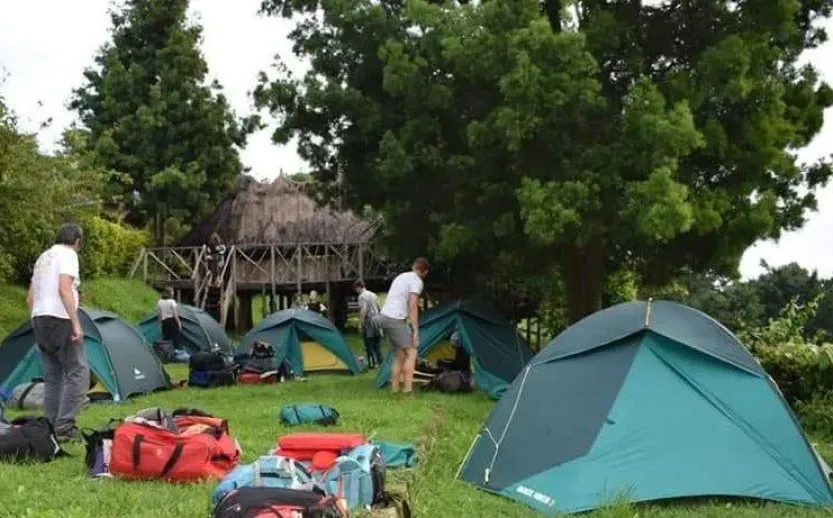
Best destinations for camping vacations in Uganda- is a country of varied landscapes, from tropical rainforests and savannas to lakes and mountains. It has rich wildlife and a strong culture of outdoor travel that makes it one of the best places in East Africa for camping vacations. Whether you want to sit beside a quiet lake, fall asleep under wide skies, or wake up close to the calls of wild animals, camping in Uganda gives you direct access to nature. This blog covers the top destinations for camping vacations in Uganda and practical tips for planning a trip. Throughout the post you will see keywords relevant to travelers and tour planners: Uganda safaris, Uganda wildlife safaris, Uganda adventure safaris, African safaris, and African adventure safaris.
Why choose camping in Uganda?
Camping lets you connect with the environment in ways that a hotel cannot match. In Uganda you can:
- Experience wildlife sights and sounds from camp.
- Keep costs lower than lodge-based stays, while still accessing top sights.
- Have flexible itineraries that let you stay longer in places you love.
- Enjoy days that mix guided activities with quiet, self-led walks or birdwatching.
- Access remote areas where few tourists go, for a deeper sense of place.
Camping is an especially good match for Uganda safaris and Uganda wildlife safaris, where early mornings and late evenings are prime wildlife hours. For travelers who want some action, Uganda adventure safaris combine camping with hiking, whitewater rafting, and gorilla or chimpanzee tracking. These activities also place Uganda within the wider field of African safaris and African adventure safaris.
Top camping destinations in Uganda
Murchison Falls National Park
Murchison Falls National Park sits where the Nile forces itself through a narrow gorge, producing powerful falls and a lively river landscape. The park combines riverine forest, open savanna, and woodland and supports elephants, buffalo, giraffe, Uganda kob, lions, and a large bird population. Camping near the river gives quick access to boat trips that show hippos and crocodiles and fits well into Uganda safaris and Uganda wildlife safaris itineraries. Visitors often combine boat cruises with morning and evening drives to catch wildlife at active times, and guided walks or hikes to the falls add scenic variety to a camping stay.
Queen Elizabeth National Park
Queen Elizabeth National Park mixes crater lakes, wetlands, and plains, creating a range of wildlife experiences close to camp. The park is known for dense hippo populations along waterways and for the rare behavior of lions that sometimes rest in trees in the Ishasha area. Camping here places you within easy reach of boat trips on the Kazinga Channel and of guided game drives that reveal elephants, buffalo, and many antelope species, making it a natural stop for Uganda wildlife safaris or broader African safaris. Early morning and late afternoon outings from camp are usually the most productive for wildlife viewing.
Bwindi Impenetrable Forest
Bwindi Impenetrable Forest is a highland rainforest world-famous for mountain gorillas. The forest is dense and steep, with a layered canopy and rich biodiversity, including many endemic bird and plant species. Camping near Bwindi or staying in tented options outside the park can make gorilla trekking accessible while keeping costs lower than some lodges. Gorilla permits are tightly controlled and should be booked ahead; the tracking experience is physically demanding but rewarding for those on Uganda adventure safaris and Uganda wildlife safaris. Local guides and porters enhance safety and help support nearby communities.
Kibale National Park and Bigodi Wetland
Kibale National Park and the adjacent Bigodi Wetland offer one of the best chimpanzee-tracking experiences in East Africa, set within mixed tropical forest and swamp habitats. Camping near Kibale lets visitors join early morning tracking sessions led by trained guides who follow habituated chimp groups, while Bigodi’s community-run trails provide focused birdwatching and encounters with smaller primates. The area pairs well with gorilla visits and fits neatly into Uganda safaris and African adventure safaris, offering close wildlife encounters and community-based tourism that benefits local people and conserves habitat.
Lake Mburo National Park
Lake Mburo National Park is a compact, accessible reserve of lakeshore, wetlands, and short grass plains that works well for relaxed camping and short safaris. The park supports zebra, impala, buffalo, and other plains species and offers boat cruises that bring participants close to hippos and waterbirds. Guided walking safaris are a special draw here, allowing campers to experience wildlife and landscape on foot under the guidance of rangers. Its proximity to Kampala and straightforward campsites make Lake Mburo a good introduction to Uganda safaris for travelers who want a mix of boating, walking, and gentle game drives.
Rwenzori Mountains National Park
Rwenzori Mountains National Park is a high-altitude, alpine environment of glaciers, high moorlands, and montane forest that appeals to trekkers and mountaineers more than to classic wildlife watchers. Multi-day treks with staged camps move through shifting vegetation zones and offer dramatic scenery and technical hiking challenges for those on adventure trips. Camping on the Rwenzori requires solid gear, acclimatization, and a licensed guide or operator for safety and logistics. This area complements Uganda adventure safaris by providing mountain routes and varied ecosystems quite different from lowland savanna and rainforest experiences.
Mount Elgon National Park
Mount Elgon National Park crowns an ancient, eroded volcano with broad calderas, caves, and bamboo forests that provide quiet trails and dispersed camping sites. Hikers can explore routes to waterfalls, cliff viewpoints, and underground caverns while staying in ranger huts or at simple camps. The mountain’s trails pass through zones of farming and forest, giving campers a chance for cultural contact with nearby communities and for coffee-plantation visits. Mount Elgon’s gentler slopes and accessible camps make it a solid option for travelers combining hiking and camping within Uganda safaris, especially those interested in nature walks rather than large-game viewing.
Semliki National Park and Toro-Semliki Wildlife Reserve
Semliki and the Toro-Semliki area hold lowland rainforest, hot springs, and wetland mosaics that shelter forest mammals, primates, and many bird species. Camping here tends to be more remote and basic, suited to visitors who want fewer amenities and closer contact with forest life. The region’s hot springs and swamp trails create a different pace from savanna parks, and the area links well with Uganda wildlife safaris that emphasize forest species. Travelers should plan logistics carefully, bring their own gear when needed, and consider local guides who understand seasonal access and wildlife behavior in these quieter reserves.
Kidepo Valley National Park and Karamoja
Kidepo Valley National Park in northeast Uganda opens into wide plains and rocky ridges that feel remote and wild compared with the country’s more visited parks. Camping at Kidepo often means simple sites or private tented camps surrounded by expansive views and clear night skies. Wildlife here includes species that are scarce elsewhere in Uganda, and cultural visits to Karamoja’s pastoral communities offer a strong human dimension to a trip. Because of long travel distances and limited services, this region suits travelers seeking a rugged African adventure safaris feel, where planning for supplies, fuel, and local guidance is essential.
Lake Bunyonyi
Lake Bunyonyi is a highland lake ringed by terraced hills and dotted with many small islands that offer calm waters, canoe trips, and quiet camping. The lake’s cooler climate and sheltered bays make it a restful place to camp between more active safari legs, and island camps provide direct water access and opportunities for village visits and birdwatching. Lake Bunyonyi complements gorilla and primate itineraries in nearby parks, and its gentle pace fits the broader range of Uganda safaris and African safaris by offering scenic relaxation, simple outdoor activities, and local community-run camps.
Tips for camping in Uganda
Effective planning makes camping in Uganda safer and more comfortable. Visitors should secure park permits and any activity bookings, carry malaria prophylaxis, bring a basic first-aid kit, and ensure routine vaccinations are up to date. Good camping gear matters: a waterproof tent, warm sleeping bag for highland sites, and a headlamp are basic essentials, while binoculars and a field guide improve wildlife and birdwatching. Respect park rules and local cultures, use local guides when possible, and practice low-impact habits like carrying out waste and avoiding single-use plastics. These measures help the environment and support sustainable Uganda safaris and Uganda wildlife safaris.