Top places to visit on Kampala city tour- Uganda safaris
March 23, 2026
Things to do at Hell’s gate National Park- Kenya safaris
March 24, 2026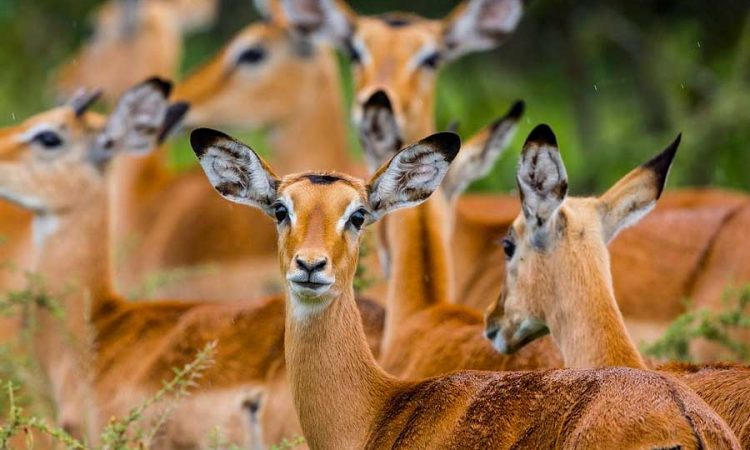
Wildlife at Lake Mburo National Park- Uganda wildlife safaris. Lake Mburo National Park is one of Uganda’s smaller protected areas, yet it offers rich wildlife and easy access that many travelers value. For visitors planning Uganda safaris, Lake Mburo is a practical stop that fits well with Uganda wildlife safaris and Uganda adventure safaris. The park’s mix of woodland, grassland, wetlands, and lakes supports a wide variety of species found on African safaris and African adventure safaris. This article focuses on the primates, birdlife, big cats, antelopes (including eland), and the park’s herbivores such as zebra. Note: elephants do not live in Lake Mburo, so sightings are not expected here.
The wildlife at Lake Mburo National Park- Uganda wildlife safaris
Primates
Lake Mburo supports several primate species that are often easy to see near roads, picnic sites, and woodland edges. Olive baboons are common and form large, social troops that move through the park, feed on grass, fruits, and insects, and can be seen during daytime game drives. Vervet monkeys are smaller and more agile; they frequently appear in trees near camps and rest areas. Spot-nosed monkeys and other small primates are present in pockets of forest and along water margins. While Lake Mburo does not have the chimpanzees found in western Uganda’s forests, the primates here add lively activity to drives and walks, and close encounters with baboons and vervets are a regular highlight for many visitors.
Birdlife
Birdwatching is a major reason visitors come to Lake Mburo. The park hosts over 300 recorded species because of its mix of habitats: open grassland, woodland, papyrus swamps, and lakeshore. Water birds congregate along lake edges; common sightings include African fish eagle, herons, egrets, cormorants, and African jacana. The papyrus swamps shelter specialist birds like the papyrus gonolek and the white-winged warbler, while woodland and open areas attract bee-eaters, rollers, barbets, and hornbills. Grey crowned crane and other cranes may appear near marshy fields. Migratory species arrive seasonally, adding variety to the list. For both beginner and experienced birders, Lake Mburo offers easily accessible birding along roads, at lookouts, and on boat trips.
Big cats and other predators
Large predators are present in Lake Mburo, but expectations should be modest. Leopards live in the park and surrounding countryside but are secretive and mostly active at night, so sightings are uncommon. Spotted hyenas are more frequently encountered after dark; their calls can carry across the park at night and are a memorable part of the soundscape. Lions are not a stable presence in Lake Mburo; historical records suggest rare or transient sightings, but most visitors do not encounter lions here. Other carnivores include servals in grassier areas, genets and civets active at night, and small mongooses by day. Guides with local knowledge increase the chances of seeing predators during dawn, dusk, and night drives.
Antelopes, including eland
Lake Mburo is strong for antelope diversity. Impala are abundant and often seen in open savanna and woodland edges, forming mixed herds with other species. Topi and hartebeest are present in suitable grassland areas. The park also supports bushbuck and waterbuck along thickets and swamps. One of the park’s notable antelopes is the common eland. Eland are the largest antelope species in the park and can be seen grazing in more open areas or moving across plains. Their size and gentle grazing behavior make them an interesting sight, and they contrast with smaller, quicker antelopes like the impala. Sitatunga, adapted to papyrus swamps, is present but secretive and requires patience and a guide to spot in swampy areas.
Herbivores: zebra and others
Zebra are a defining species in Lake Mburo and one reason many visitors choose the park. Burchell’s zebra move in small herds across grassy patches and around water bodies, often grazing alongside impala and topi. Their striping and group behavior make them photogenic and easy to observe. Besides zebra and eland, Lake Mburo supports buffalo herds that graze near water and rest in shade during hotter parts of the day. Warthogs and bush pigs are common in open areas and short grass. Smaller browsers, such as dik-dik and duiker, inhabit thickets and provide sightings that reward patient observers. Hippos inhabit lakes and channels where water is deep enough; they are best seen from boats or from the lakeshore at safe distances. Remember that elephants are not present in this park, so do not expect elephant sightings on Uganda safaris here.
Best ways to view wildlife in Lake Mburo National Park
Game drives early in the morning and late in the afternoon are the most productive times to see primates, antelopes, zebra, and predators. Boat safaris on the lakes and channels offer close views of water birds, hippos, and animals coming to drink. Guided walking safaris allow up-close experiences with tracks, small mammals, and birds, and they give insight into plant-animal interactions. Night drives are useful for nocturnal species like genets and civets and for hearing hyena calls. Always follow your guide’s instructions, keep safe distances, and avoid disturbing animals—this protects both visitors and wildlife.
Where Lake Mburo fits in safari plans
Lake Mburo is a compact and accessible park that fits well into wider Uganda safaris and Uganda wildlife safaris. For travelers on Uganda adventure safaris or African safaris combining multiple parks, Lake Mburo offers a relaxed wildlife stop with high bird diversity, visible primates, strong antelope representation including eland, and reliable zebra sightings. It is a suitable option for short stays or as part of a longer route that includes Queen Elizabeth, Kibale, or Bwindi.
Lake Mburo National Park offers varied wildlife experiences concentrated into a small area. The primates, birdlife, antelopes (notably eland), herbivores such as zebra, and the park’s quieter predator presence make it a rewarding destination on Uganda safaris and Uganda adventure safaris. Expect close encounters with social species like baboons and zebras, excellent birding from lake edges and papyrus swamps, and the chance to see antelopes across open grassland. Keep in mind elephants do not live in Lake Mburo, and plan activities with Zerimas safaris to get the best and safest wildlife viewing.