Wildlife at Lake Mburo National Park- Uganda wildlife safaris
March 24, 2026
Best destinations for camping vacations in Uganda
March 30, 2026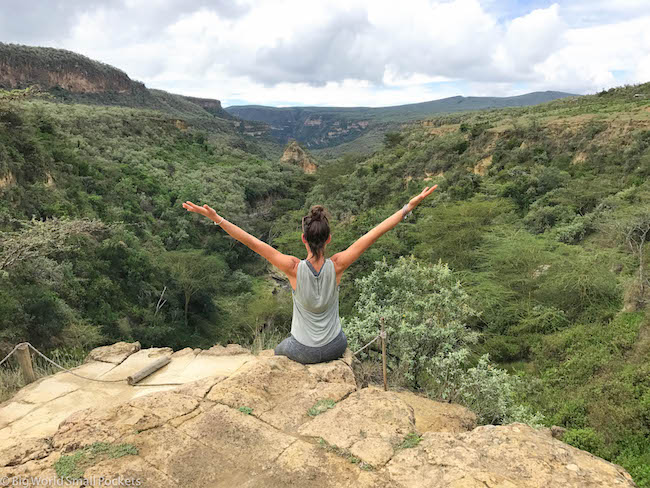
Things to do at Hell’s gate National Park- Kenya safaris. This sits in the Great Rift Valley of Kenya, not far from the lakeside town of Naivasha. The park is compact and easy to reach from Nairobi, so it is a popular option for short trips as well as part of longer Kenya safaris. Hell’s Gate offers unusual landscapes—cliffs, gorges, hot springs and volcanic plugs—together with wildlife, birdlife and clear trails that invite active exploration. For travelers planning Kenya wildlife safaris or Kenya adventure safaris, the park’s mix of walking, biking, rock-climbing and boat trips on nearby Lake Naivasha gives a range of ways to experience Kenyan scenery and nature. This article outlines things to do at Hell’s Gate National Park and nearby areas, explains practical details, and suggests tips to help you plan safe and enjoyable visits as part of wider African safaris or African adventure safaris.
Hell’s Gate covers a small area compared with Kenya’s larger parks, but its geology and open spaces are what make it special. The park is one of the few in Kenya where you can walk or cycle among wildlife without a vehicle. It hosts grazing ungulates such as buffalo, zebra and various gazelles, and it is a strong birding location. Safety in the park depends on staying aware, following park rules, and using guides for more challenging activities like rock climbing and canyoning. Although predators are not common here, buffalo and other large mammals can pose risks if approached; keep a safe distance and stay calm around wildlife.
The top things to do at Hell’s gate National Park- Kenya safaris
Guided walks and walking safaris
One of the main draws at Hell’s Gate is the ability to walk safely among wildlife and through dramatic geological features. Guided walks let you explore gorges such as Fischer’s Tower and Otter’s Gorge, view geothermal features, and see wildlife at ground level. Guides point out tracks, plant uses, and local geology, and they explain how the Rift Valley formed. Walking at a measured pace gives a close-up sense of the landscape that is different from game drives in larger parks on Kenya wildlife safaris.
Biking through the park
Cycling is a popular, low-impact way to see Hell’s Gate. The park allows self-guided or guided bicycle tours on specified trails. Biking gives you speed to cover more ground while still being outdoors and on the trail. Routes pass through plain areas where you can see grazing animals and reach viewpoints along escarpments. Bring or rent a sturdy mountain bike and wear a helmet. Early morning rides are cooler and you are likely to see more wildlife and birds.
Rock climbing and canyoneering
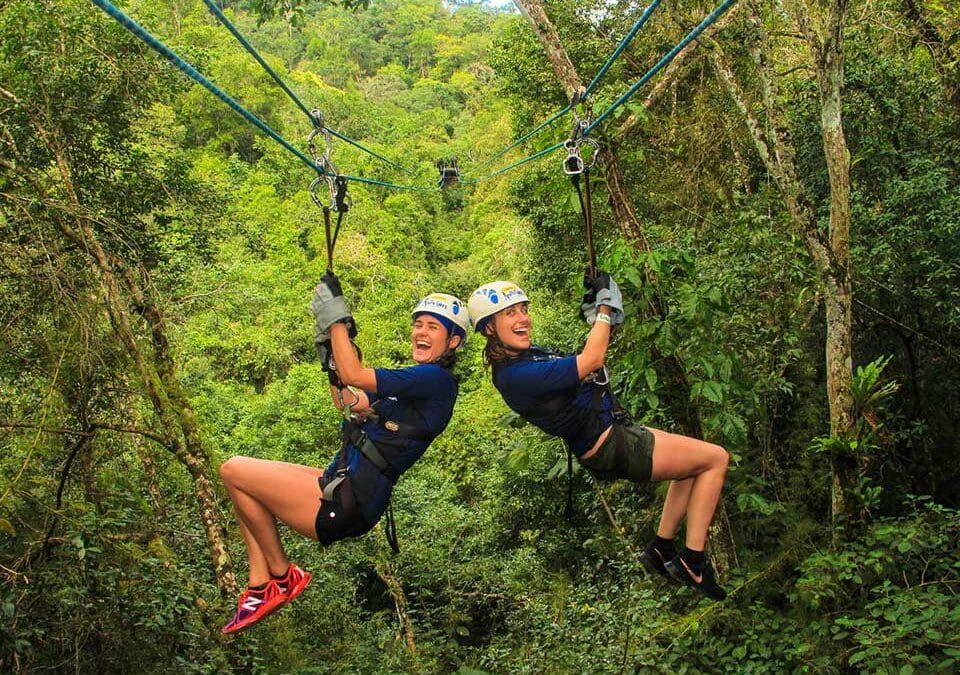
The park’s cliffs and volcanic plugs draw climbers and canyoners. Fischer’s Tower and other rock formations provide routes for different skill levels. Local guides and outfitters offer equipment and instruction; climbing without a guide is not recommended unless you are experienced with the terrain. Canyoning—descending into gorges using ropes and controlled techniques—gives an adventurous alternative to ordinary walking. These activities combine physical challenge with dramatic scenery and are ideal for visitors on Kenya adventure safaris who want active, hands-on experiences.
Wildlife viewing and game encounters
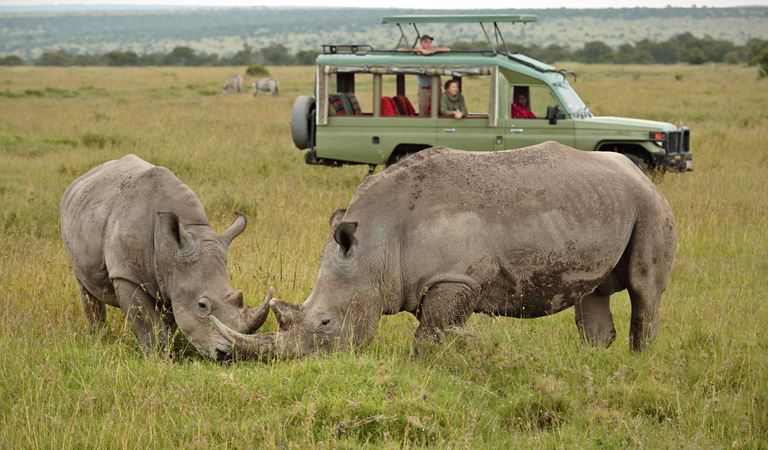
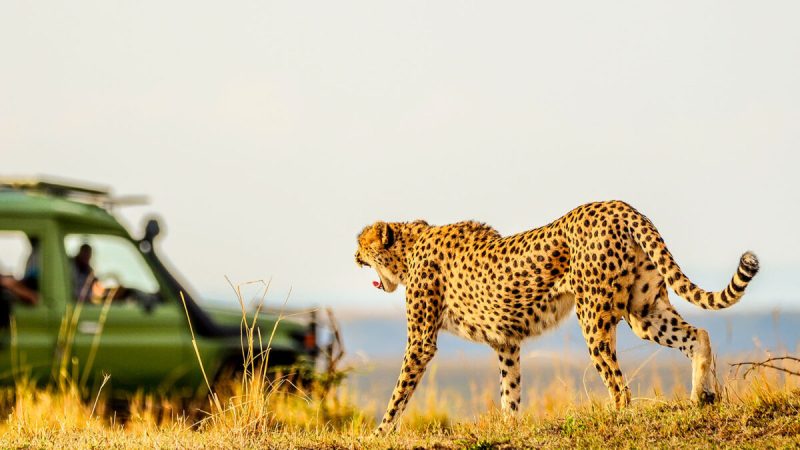
Hell’s Gate supports a range of grazing mammals. Buffalo herds, zebra, common eland, Thomson’s and Grant’s gazelles, and waterbuck are among species you might see. Giraffes can appear at the park edges and on nearby private ranches. Since the park is relatively open, sighting animals is easier on foot or bike than in heavy bush. The lack of dense forest and the park’s small size mean you can often see animals at closer distances, but always keep a safe separation and follow advice from guides and rangers.
Birdwatching and birdlife
Birders find Hell’s Gate rewarding because the Rift Valley habitats attract both resident and migratory species. Expect to see raptors like augur buzzard and lanner falcon, waterbirds along the lakeshores, and passerines in acacia and scrub areas. The nearby Lake Naivasha and Crescent Island support waterfowl, cormorants, and pelicans. For those on Kenya wildlife safaris or African safaris who enjoy birds, Hell’s Gate and its lake margins are productive places to add species to a checklist.
Horseback safaris
Some operators near Lake Naivasha offer horseback rides that move along the lakeshore and through private ranchland. Riding places you in a raised position that animals often accept more readily than a vehicle, allowing calm, close views of wildlife and scenery. Horseback safaris are suitable for visitors comfortable with riding and add a different perspective to other activities at Hell’s Gate and nearby properties.
Cultural visits and community interactions
The Maasai people are a prominent presence around Naivasha and the Rift Valley. Cultural visits with licensed community groups allow travelers to learn about Maasai life, traditions, jewelry, and pastoral practices. These encounters should be arranged respectfully through community-run initiatives or reputable tour operators, and they offer context about local livelihoods and conservation challenges in areas where people and wildlife share space.
Photography and sunrise/sunset opportunities
Hell’s Gate’s open landscape and dramatic cliffs make it a strong location for photography. Early morning light and late afternoon glow give good contrast and long shadows that emphasize geology and wildlife silhouettes. Sunrise and sunset viewpoints along the escarpment provide wide vistas across the Rift Valley; these are times to capture atmospheric images for visitors on African safaris and African adventure safaris. Use telephoto lenses for wildlife and wide-angle lenses for geological scenes and landscapes.
Getting there and when to go
Hell’s Gate is about a 90–120 minute drive from Nairobi depending on traffic, making it an easy day trip or an overnight stay from the capital. You can combine Hell’s Gate with Lake Naivasha and Crescent Island or use it as a stop on a longer loop that includes Maasai Mara or Amboseli. The dry seasons—roughly June to October and January to March—tend to be cooler and offer clearer skies, but the park is accessible year-round. Wildlife and bird activity vary by season: dry months concentrate animals around water sources, while wetter months bring green scenery and breeding birds.
Practical tips: what to pack and health considerations
- Bring sun protection: hat, sunscreen, and sunglasses. – Wear sturdy shoes for walking and closed-toe footwear for biking. – Carry water and snacks for longer walks or rides. – Dress in layers for cooler early mornings and warmer midday temperatures. – Use insect repellent and observe malaria precautions as advised by your health professional. – If you plan climbing or canyoning, confirm what safety equipment the operator provides and whether you should bring gloves or other personal gear.
Hell’s Gate National Park provides a blend of geology, wildlife, and outdoor activities that suit a wide range of travelers. Whether you plan a short visit or include it in a longer Kenya safaris itinerary, the park’s trails, cliffs, and lakeshore add active options to your trip and an easy way to connect with Rift Valley nature. Use licensed guides for technical activities, follow park rules, and plan early morning and late afternoon outings for the best light and animal activity. In combination with nearby Lake Naivasha and Crescent Island, Hell’s Gate is an efficient and varied stop for visitors on Kenya wildlife safaris and African adventure safaris.