Top destinations for luxury safaris in Uganda
March 18, 2026
Top destinations for budget safaris in Rwanda
March 19, 2026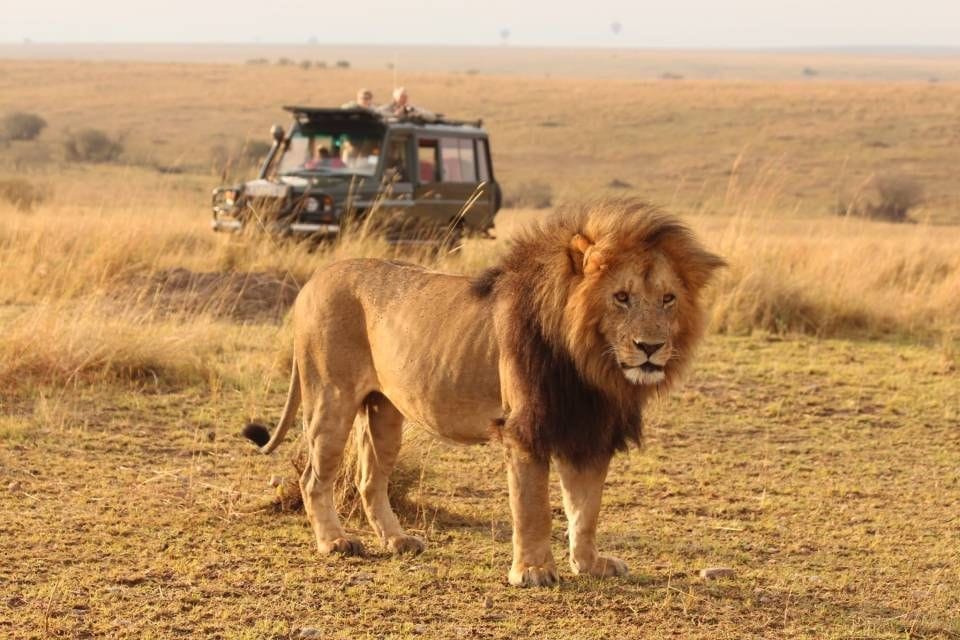
Best destinations for budget safaris in Kenya- is one of the best places in Africa for wildlife viewing and outdoor adventure. For travelers who want great wildlife experiences without a high price tag, Kenya safaris offer many options. From national parks with big game to lesser-known reserves with fewer crowds, budget safaris let you enjoy Kenya wildlife safaris and Kenya adventure safaris while keeping costs low. This guide highlights the best destinations for budget safaris in Kenya, practical tips for saving money, and suggestions for how to plan a trip that balances cost, comfort, and real safari time.
Why choose a budget safari in Kenya?
- Great wildlife access: Kenya has rich biodiversity and several ecosystems in a relatively small area. Even on a tighter budget you can see lions, elephants, giraffes, buffalo, antelope, and many bird species.
- Options for every traveler: Kenya offers a range of accommodation styles from campsites and simple bandas to budget lodges and community-run camps. This flexibility makes African safaris affordable for more people.
- Short transfers and road safaris: Many parks are reachable by road from Nairobi and other towns, lowering the need for expensive flights. Road transfers can be a cost-saving way to get to national parks and reserves.
- Community tourism and public conservancies: Staying in community-run camps and visiting conservancies often costs less and supports local people, while giving a more personal experience than big commercial camps.
Top budget safari destinations in Kenya
-
Amboseli National Park
Amboseli is famous for clear views of Mount Kilimanjaro and large elephant herds. The park’s compact size means easy game drives and less time spent moving between spots, which helps keep costs down.
What you’ll see: Large elephant families, giraffes, zebras, different antelopes, and big cats on occasion. Wetlands attract many birds and offer varied scenery.
-
Samburu National Reserve
Samburu offers a different habitat in northern Kenya — arid bushland and riverine vegetation with species not commonly seen in the south. The landscape and wildlife are very different from the plains of the Masai Mara.
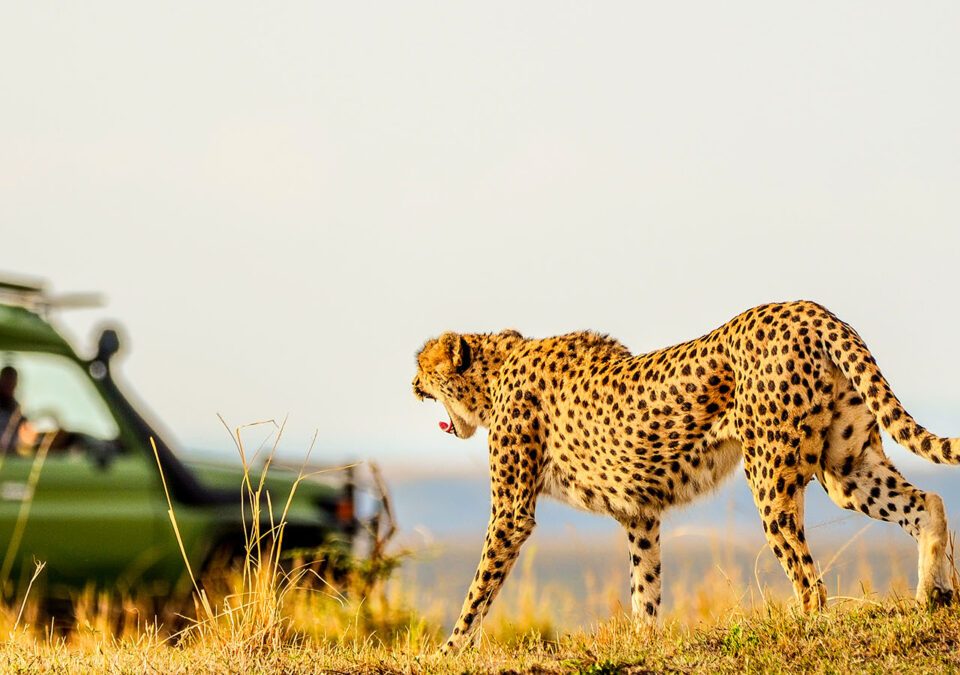
What you’ll see: Grevy’s zebra, reticulated giraffe, Somali ostrich, gerenuk, and large elephant families. Predators include lions, leopards, and cheetahs.
-
Ol Pejeta Conservancy
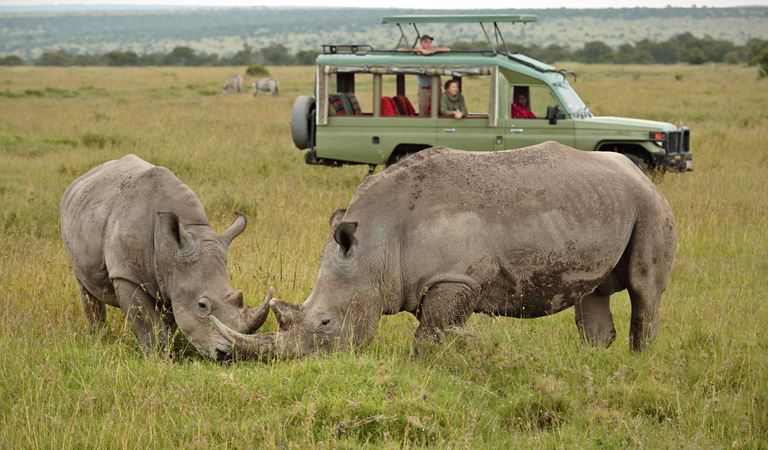
Ol Pejeta is a community-focused wildlife conservancy that mixes wildlife viewing with conservation programs. It offers good chances to see rhinos, including the only two northern white rhinos (subject to current status), and it’s close enough to Nanyuki to keep travel costs reasonable.
What you’ll see: Black rhinos, southern white rhinos, lions, elephants, chimpanzees at the Sweetwaters Chimpanzee Sanctuary, and many plains species.
-
Lake Nakuru National Park
Lake Nakuru is famous for its birdlife and available game viewing on a limited budget. The park’s small size makes it inexpensive to cover and gives high chances of seeing rhinos and lions without long drives.
What you’ll see: Flamingos (seasonal), other waterfowl, black and white rhinos, lions, buffalo, and giraffes.
-
Maasai Mara
The Maasai Mara is one of the best-known wildlife areas in Africa. While top-end camps can be pricey, you can still experience Kenya wildlife safaris on a budget with careful planning.
What you’ll see: The “Big Five” in some areas, large plains game, cheetah and lion prides, and, during the migration, huge numbers of wildebeest and zebra.
-
Meru National Park
Less visited than other Kenyan parks, Meru offers lower prices and fewer people. It’s a good option for travelers wanting quiet drives and varied wildlife.
What you’ll see: Elephants, lions, buffalos, many antelope species, and abundant birdlife. Meru’s riverine forest and open savannah support diverse habitats.
-
Tsavo East and Tsavo West National Parks
Tsavo is vast and less expensive in many parts. Both parks provide wide-open landscapes and lots of wildlife. Because the parks are large, you can often find lower-cost camps on the edges or public campsites inside the parks.
What you’ll see: Big herds of elephants, lions, buffalo, diverse bird species, and rugged landscapes such as the Yatta Plateau and volcanic features.
-
Laikipia Plateau
Laikipia has a network of conservancies with a focus on conservation and community benefits. It offers varied wildlife and more personalized experiences, often at middle or lower price points in community camps.
What you’ll see: Elephants, black rhinos in some conservancies, wild dogs, Grevy’s zebras, and many antelopes. Conservation projects and community visits add diversity to a safari experience.
Practical tips to keep a Kenya safari affordable
- Travel off-peak or shoulder season
Peak tourist months raise prices for both accommodation and flights. Traveling in shoulder seasons (for example, late April–May or October–November) can offer significantly lower prices and still good wildlife viewing. Be aware of seasonal weather: some roads may be muddy in heavy rains, but many parks remain accessible. - Use road transfers and shared transport
Road transfers can take longer than flights but cost much less. Shared vehicles, minivans, and scheduled overland trips can cut the transport cost per person. If you plan a self-drive, budget for fuel, park fees, and vehicle insurance. - Choose community camps and public campsites
Community-run camps, simple tented camps, and Kenya Wildlife Service campsites are much cheaper than luxury lodges and still place you near good wildlife areas. This approach also supports local communities. - Travel in a group
Costs such as vehicle hire, guide fees, and accommodation can be split among group members. Joining a small group tour or traveling with friends reduces per-person expense. - Consider shorter safari blocks
Instead of a long, expensive stay at a high-end camp, do several shorter drives and camp stays around different parks. This gives more variety at a lower nightly cost. - Self-drive when possible
If you have driving experience on dirt roads and are comfortable navigating, self-drive safaris can be one of the cheapest ways to see parks like Lake Nakuru, Amboseli, and Tsavo. Make sure to check park rules about self-drive access and carry the appropriate maps and permits. - Watch for park fee changes and permits
Park entry fees, conservancy fees, and vehicle fees vary and can change, so check the official Kenya Wildlife Service website or reputable local operators for the latest rates before you travel. Some conservancies include fees in drive packages, so ask what’s covered.
Packing and gear for a budget safari
- Lightweight clothes in neutral colors for game drives; layers for cool mornings and evenings.
- Sturdy walking shoes and a hat.
- A basic first-aid kit and any personal medications.
- Binoculars and a camera (smartphones with good zoom work well). Binoculars greatly increase value for money on budget safaris.
- Reusable water bottle and water purification tablets or filter if camping.
- A small flashlight or headlamp for campsites.
- Rain gear if traveling in the wet season; some roads can be muddy.
- Power bank and charging cables; budget camps may have limited electricity
Kenya safaris offer many routes to experience wildlife without spending a fortune. Whether you prefer Kenya wildlife safaris focused on classic parks like the Maasai Mara and Amboseli, or Kenya adventure safaris through lesser-known conservancies such as Laikipia and Ol Pejeta, there are budget options that deliver excellent wildlife viewing and cultural interaction. By choosing community camps, shared drives, off-peak travel, and smart planning, you can enjoy African safaris in Kenya that feel rich in wildlife and experience while fitting a modest budget.