Best places to see big fives on Kenya wildlife safaris
February 17, 2026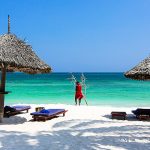
Top destinations for beach holidays in Kenya
February 18, 2026
Top destinations for solo travelers in Rwanda- is a compact, accessible country that suits solo travelers who want wildlife, culture, and active outdoor experiences. For those planning Rwanda safaris, Rwanda wildlife safaris, or Rwanda adventure safaris, the country offers guided experiences that feel secure and well organized. Rwanda’s small size makes internal travel straightforward, reducing long transfers and giving more time in the field or in towns. Solo travelers find it easy to join group activities, meet other guests at lodges and community projects, and hire local guides who provide both safety and insight. Whether your focus is gorilla trekking, birding, hiking volcanoes, or learning local history, Rwanda delivers varied options within a short distance of the capital, Kigali.
Why Rwanda suits solo travelers
Rwanda has strong transport links and a reputation for safety relative to many neighbors, which is one reason it draws independent visitors. English is widely spoken in tourism settings, and many lodges and tour operators specialize in small-group departures that allow solo travelers to join others without paying steep single supplements. Rwanda’s tourism industry emphasizes guided experiences—gorilla permits, for example, are always part of regulated treks—so solo visitors benefit from established systems that coordinate logistics, security and conservation requirements. The scale of the country also means that day trips from Kigali or short multi-night circuits are practical, reducing the need for long, isolated road journeys.
The top destinations for solo travelers in Rwanda
Kigali — city base
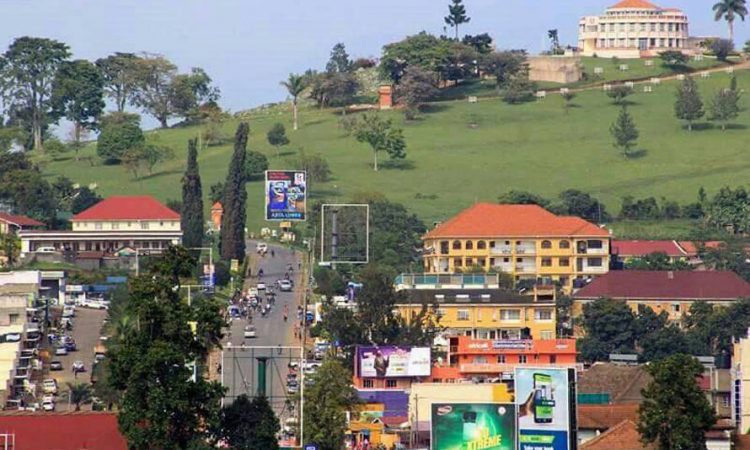
Kigali is an easy place for solo travelers to begin their Rwanda adventure safaris. The city is clean, well organized and hosts a network of guesthouses, midrange hotels and boutique properties that welcome single guests. Use Kigali to acclimatize, sort permits and join day trips. The Kigali Genocide Memorial is a somber but important visit to understand recent Rwandan history; guided tours there are informative and help contextualize the country’s recovery and reconciliation. The city also has good restaurants, cafes and markets where you can meet other travelers. For those on tighter schedules, Kigali can serve as the hub for day trips to nearby attractions such as local cultural centers and community tours that introduce Rwandan crafts and food.
Volcanoes National Park — gorilla trekking
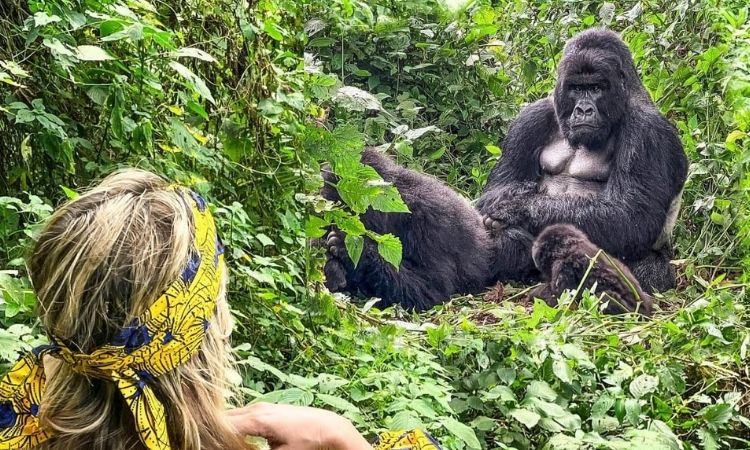
Volcanoes National Park is the top draw for many people coming for Rwanda safaris and Rwanda wildlife safaris because of mountain gorilla trekking. The treks are regulated, with permits limited to protect gorilla groups and ensure safe, low-impact visits. Gorilla treks are physically demanding and can take several hours on steep trails, but the guided nature of the experience makes it manageable for well-prepared solo travelers. Treks are run in small groups led by trained rangers and guides, so even solo visitors join a team and share the experience with others. In addition to gorilla trekking, Volcanoes National Park offers golden monkey tracking, nature walks, and community-based cultural visits that add context to your time in the highlands.
Nyungwe Forest National Park — chimpanzee tracking and canopy walks
Nyungwe Forest is a different but complementary highlight for Rwanda wildlife safaris. This vast montane forest in the southwest is one of Africa’s oldest forests and supports a rich bird list, primates such as chimpanzees and colobus monkeys, and a network of trails for walking safaris. Chimpanzee tracking is guided and limited by permit, similar to gorilla treks, which gives solo travelers the structure and safety of ranger-led groups. The canopy walk near Uwinka is a short, elevated walkway that offers a unique vantage over the forest and is suitable for travelers who prefer less strenuous activity. Night walks and longer hikes are also available for those who want to see nocturnal species or deeper forest areas.
Akagera National Park — savanna wildlife safaris
Akagera National Park offers a contrasting experience to Rwanda’s mountain forests and is the main destination for savanna-style Rwanda safaris and Rwanda adventure safaris. The park’s wetlands, lakes and bushland support elephants, buffalo, various antelope species, giraffe and a recovering population of lions and rhinos in managed areas. Game drives here follow clear tracks and are straightforward to join, and the park also offers boat trips on Lake Ihema where hippos and waterbirds concentrate. For solo travelers, Akagera’s lodge and camping options range from simple to comfortable, and guided game drives or boat excursions provide easy, low-stress ways to see wildlife without needing complex logistics.
Gisenyi and Lake Kivu — relaxation and lake activities
For quiet downtime after active treks or drives, the Lake Kivu shoreline around Gisenyi (now Rubavu) is a popular choice. Lake Kivu combines pleasant lakeside scenery with opportunities for boat trips, kayaking and swimming in designated areas. Gisenyi has guesthouses and boutique hotels that make it simple for solo travelers to meet others or relax with private time. The town’s cafes and markets offer local food and simple social scenes, and boat trips often include village visits on the islands and chances to see birdlife. Lake Kivu works well as a rest stop between Volcanoes and Nyungwe or as the conclusion to an Rwanda adventure safaris route.
Cultural and community experiences
Rwanda places growing emphasis on community-based tourism, which appeals to solo travelers who want direct cultural exchange. Community walks, homestays, art cooperatives and local cooking workshops allow visitors to learn about Rwandan customs, crafts and livelihoods. Programs around Musanze, in areas near Volcanoes, and in communities bordering Akagera and Nyungwe, link tourism income to conservation and local development. These experiences are typically organized through lodges or local tourism associations, which simplifies logistics for solo travelers and aligns the visit with responsible travel practices.
Safety and practical tips for solo travelers
Rwanda’s security environment is stable, but common-sense precautions apply as in any destination. Keep valuables secure, carry copies of important documents, and use licensed taxis or hotel-arranged transfers at night. Travel with local guides for park visits and trekking; rangers and guides are trained in safety and in minimizing disturbance to wildlife. When trekking for gorillas or chimpanzees, follow ranger instructions exactly—approach slowly, keep a safe distance if requested, and avoid flash photography when requested. For health, consult a travel clinic before departure for vaccinations and malaria advice; carry a basic first-aid kit and any personal medications.
How to manage permits and bookings
Many of Rwanda’s key wildlife experiences require permits and advance booking. Gorilla trekking permits are limited and sell out early in peak months; booking several months ahead is advisable, particularly for solo travelers who may prefer specific dates. Chimpanzee tracking in Nyungwe and certain guided activities in Akagera also require reservations. Reach us out at Zerimas safaris to secure permits and to arrange transfers.
Transport and getting around
Rwanda’s road network is compact and well maintained compared with many regional options. Domestic flights operate to some parks, and private transfers or shared shuttles are common for the main routes between Kigali, Musanze (for Volcanoes), Nyungwe and Akagera. Road travel times are short enough that day trips are realistic from Kigali to nearby attractions. For solo travelers, arranging transfers through your lodge or a trusted operator reduces stress and ensures on-time arrivals for guided activities. If you plan to self-drive, be aware that rural roads can be narrow and hilly; a 4×4 is useful in wet months.
Where to stay as a solo traveler
Rwanda offers accommodation across a range of budgets, from backpacker hostels and guesthouses to midrange lodges and higher-end camps. Solo travelers often prefer small lodges or guesthouses where communal dining and activities encourage meeting other guests. Many midrange lodges include transfers, guide coordination and local experiences in their rates, which simplifies planning. In national park areas, staying inside or close to the park reduces travel times for early starts, which is helpful for treks and game drives.
Health and packing essentials
Pack for changing conditions: higher elevations can be cool, and forest treks are wet and muddy. Bring a waterproof jacket, sturdy walking shoes, and layers for warmth at dawn and dusk. Binoculars, insect repellent, sunscreen and a reusable water bottle are useful for daily activities. Carry photocopies of permits and ID, and keep digital backups. For medical preparedness, bring any prescription medications, a basic first-aid kit, and consider travel insurance that covers mountain trekking and medical evacuation.
When to travel
Rwanda’s climate is temperate due to elevation, with two rainy seasons (short rains in October–November and long rains in March–May). The drier months from June to September and December to February are often preferred for trekking and savanna game viewing. Rainy seasons make forest trails muddier and can complicate transfers, but they also bring lush scenery and fewer visitors. Solo travelers should weigh track conditions and permit availability when setting travel dates.
Rwanda offers a concentrated, well-organized range of experiences that fit solo travel well. Whether you prioritize Rwanda safaris focused on wildlife, Rwanda wildlife safaris for primates, or Rwanda adventure safaris for hikes and lake activities, you’ll find guided options that simplify logistics and enhance safety. The country’s small size, clear permit systems and community-based tourism make it straightforward to plan a balanced trip that combines high-value wildlife encounters with cultural connections. Book permits early, travel with us at Zerimas safaris,+256784395836,WhatsApp : +256744651091, Email : info@zerimassafaris.com.