Where to go for hot air balloon adventures in Rwanda
February 16, 2026
Top destinations for solo travelers in Rwanda
February 17, 2026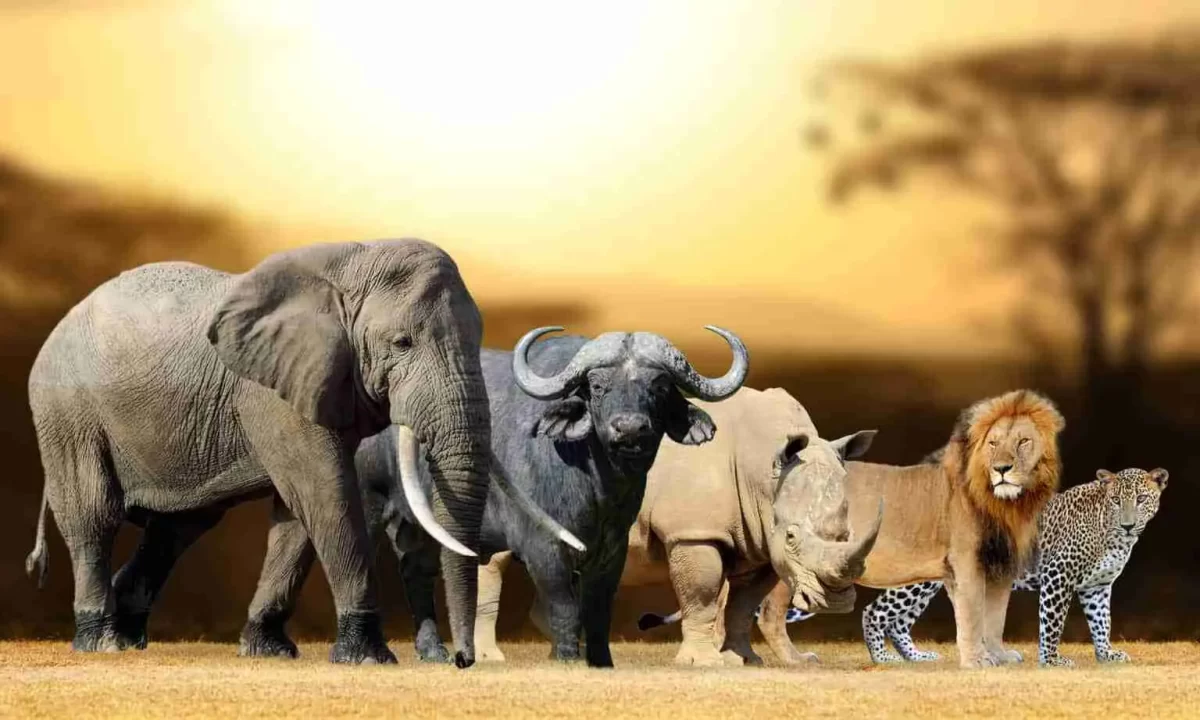
Best places to see big fives on Kenya wildlife safaris. Kenya draws travelers who want to see large African animals in the wild, and for many visitors the Big Five – lion, elephant, buffalo, leopard, and rhinoceros — are the main reason to travel. Kenya wildlife safaris are highly organized and supported by guides who understand animal behavior, local terrain, and seasonal movements. The country’s range of habitats, from open plains to riverine forest, mountains and semi-arid plateaus, helps sustain diverse wildlife populations. That variety means a well-planned Kenya adventure safaris trip can deliver repeated sightings of the Big Five across different parks and conservancies, while also offering opportunities to learn about conservation work and local cultures.
The best places to see big fives on Kenya wildlife safaris
Maasai Mara National Reserve
The Maasai Mara is Kenya’s most famous wildlife reserve and a top pick for Kenya safaris. Its open plains and riverine corridors support abundant plains game and resident predators: lions are common, leopards perch in trees near rivers and kopjes, and elephants and buffalo roam between the reserve and neighboring conservancies. Although black rhinos are scarce in the Mara core, adjacent conservancies and protected pockets host rhino protection programs. Staying in conservancies often means fewer vehicles and more flexible drives, while early morning and late afternoon outings—guided by experienced local guides—offer the best light and highest chance of sightings.
Ol Pejeta Conservancy
On the Laikipia plateau, Ol Pejeta Conservancy is a key destination for people hoping to see rhinos on Kenya wildlife safaris. The conservancy hosts both black rhino and white rhino as part of focused protection programs, and it is well known for anti-poaching measures and active management. Beyond rhinos, Ol Pejeta supports healthy populations of elephant, lion, leopard and buffalo, all within a system that emphasizes conservation and community benefit. Visitors can combine game drives with a visit to the chimpanzee sanctuary, an experience not found in many Kenyan parks. Staying inside Ol Pejeta gives you extra time for early and late drives and also supports on-the-ground conservation efforts through park fees and lodge contributions.
Laikipia Plateau
The broader Laikipia Plateau is a mosaic of private ranches, community conservancies and larger protected areas north of Mount Kenya. Laikipia is valued for its conservation-minded landowners and for offering varied experiences such as walking safaris, night drives and small-group game viewing that complement vehicle-based drives. Many conservancies in Laikipia contribute to predator research and rehabilitation programs and focus on low-impact tourism. Because land parcels are often privately managed, camps can limit guest numbers and vehicles at sightings, which increases the likelihood of prolonged and close observation of animals such as leopards and lions. The plateau’s mixture of habitats also supports elephant and buffalo, and some conservancies host rhinos as part of regional protection efforts.
Amboseli National Park
This Park is best known for large elephant herds set against the dramatic silhouette of Mount Kilimanjaro. Amboseli National park’s marshes and open plains concentrate herbivores and the predators that follow them, and Amboseli’s elephant population is among the most accessible in Kenya. While black rhino are not a common sight in Amboseli, lion and buffalo are regulars, and leopards can be seen at times near thicker vegetation. Photographers often favor Amboseli for the chance to capture elephants in clear light with a mountain backdrop, and game drives timed for early morning or late afternoon improve the odds of seeing active animals.
Tsavo East and Tsavo West National Parks
Tsavo East and Tsavo West together make up one of the largest protected areas in Kenya and offer a sprawling wilderness experience. These parks support wide-ranging elephant populations and substantial numbers of buffalo and lion across vast landscapes, from open plains to riverine corridors and rocky hills. Leopard sightings are possible in the more vegetated areas and rocky outcrops. Black rhino are rare across Tsavo, but conservation efforts in parts of the region and neighboring sanctuaries have worked to recover rhino numbers in some zones. Tsavo’s distances between lodges and watering points mean game can be more dispersed, so traveling with a seasoned guide and allowing more time to search for animals improves results.
Meru National Park
Meru National Park on Kenya’s eastern side provides a quieter alternative for Kenya safaris and has historical importance in rhino conservation. Meru’s river systems and mixed habitats support populations of rhino alongside elephant, buffalo, lion and leopard. Because Meru sees fewer visitors than the most famous parks, it can offer a less crowded wildlife experience, allowing extended observations and a slower pace. Lodging options are more limited, so planning and booking ahead helps secure preferred camps.
Where to stay on your big five safaris in Kenya
Choosing the right accommodation matters for how you experience Kenya adventure safaris. Options range from mobile tented camps and midrange lodges to high-end camps with extensive services. Conservancy camps and private ranch lodges often limit the number of vehicles at sightings and run more flexible drive schedules, which translates to better wildlife viewing and fewer crowds. If close observation is a priority, look for camps that emphasize small groups and guided walks, as these give access to animal behavior and habitats that vehicles do not always reveal.
The best ways to view the big five animals in Kenya
Mixing regions and habitats increases the likelihood of seeing all members of the Big Five. Each park or conservancy favors particular species and behaviors, so combining a plains reserve such as the Maasai Mara with conservancies like Ol Pejeta or Lewa, or adding Amboseli for elephants against mountain scenery, helps cover gaps. Guided walking safaris and night drives offered in some conservancies reveal nocturnal or crepuscular species and provide a different perspective from daytime drives. Planning a Kenya adventure safaris itinerary that includes both high-density predator areas and rhino-focused conservancies gives the best chance of seeing every member of the Big Five.
Game drives work best when timed to animal activity. Early morning and late afternoon drives take advantage of cooler temperatures and increased movement, while midday heat often sends animals into shade and makes them harder to find. Some conservancies also offer night drives that reveal nocturnal animals such as hyenas and porcupines and can sometimes locate leopards and small predators. When you are in the field, maintain a respectful distance, avoid loud noises and follow your guide’s instructions. That care protects both visitors and wildlife and keeps Kenya wildlife safaris sustainable for future guests.
Health and safety preparations
These are practical parts of trip planning. Carry ample water, sun protection and insect repellent, and consult a travel clinic for recommended vaccinations and anti-malarial medications before you travel. Travel insurance that includes medical evacuation is wise, particularly if you will visit remote conservancies. Lodges and camps can advise on the specifics for their areas, including the best times for travel and road conditions between parks.
Packing tips for your big five safaris in Kenya
Packing light but well makes your experience more comfortable. Include neutral-colored clothing that blends with the environment, a warm layer for early mornings, sturdy closed shoes for any walking, and a small daypack for essentials. Bring binoculars for close observation, a hat and good sunscreen, and any personal medications. Check with your lodge about luggage limits if you will use light aircraft between parks; many small charters restrict weight and size more than scheduled airlines.
The best time for big five safaris in Kenya
The best time to see the Big Five in Kenya is during the long dry season from late June to October. Drier conditions concentrate wildlife around remaining water sources, making game easier to locate and increasing predator activity; this period also overlaps with the Great Migration in the Maasai Mara, producing dramatic predator–prey encounters. January–February (the short dry season) can also provide good viewing with lower rains and fewer tourists. The wet seasons (April–May and November–December) bring lush scenery and many newborns but heavier rains, softer roads and more dispersed game—great for birding and scenery, less ideal for guaranteed Big Five sightings.
Visiting Kenya for wildlife viewing is both an opportunity to see iconic animals and a way to support conservation when you choose responsible operators. Book with us at Zerimas safaris, contact us; +256784395836, WhatsApp : +256744651091, Email : info@zerimassafaris.com. For better rhino viewing, include conservancies such as Ol Pejeta or Lewa that have focused protection programs. For classic predator encounters and migration scenes, the Maasai Mara remains a leading choice. Laikipia and Meru offer quieter, conservation-focused options, and Amboseli gives memorable elephant sightings with the Kilimanjaro skyline.