
Do i need a VISA to travel to Uganda?
August 20, 2025
How to book a Gorilla Trekking Safari in Uganda
August 21, 2025
Essential Packing List for Uganda, Uganda, often called the Pearl of Africa, is a country full of breathtaking landscapes, diverse wildlife, and warm hospitality. Whether you’re visiting for a safari, volunteering, business, or to reconnect with family, packing smart is the first step toward an enjoyable trip. Uganda’s climate, culture, and infrastructure are unique, so you’ll want to bring items that make travel easier, safer, and more comfortable.
Here’s a detailed essential packing list for Uganda to help you prepare.
1. Travel Documents and Money – Essential Packing List for Uganda

Your documents are the most important things you’ll carry. Forgetting even one could disrupt your trip, so check and double-check before leaving.
• Passport – Ensure your passport is valid for at least six months from your entry date and has two blank pages for visas and entry stamps. Store it in a waterproof holder or pouch to protect it from humidity and rain.
• Visa – Apply online for the Uganda e-Visa. If you’re also visiting Kenya or Rwanda, the East African Tourist Visa saves you money and allows free movement between the three countries. Always print out your visa approval to present at immigration.
• Yellow Fever Certificate – Mandatory for all travelers. Immigration officers will request it, and without it you may be denied entry. Keep it with your passport at all times.
• Travel Insurance – Don’t skip this. Choose coverage for medical emergencies, trip cancellations, and lost luggage. If you plan activities like gorilla trekking or white-water rafting, confirm they’re covered under your policy.
• Photocopies of Important Documents – Carry paper copies and keep digital versions on your phone or email. They’ll save time if you lose your passport or wallet.
• Local Currency (Ugandan Shilling – UGX) – ATMs are available in cities, but they may not work in rural areas. Carry small denominations for taxis, tips, and market purchases. Note: Ugandans prefer crisp, new U.S. dollar bills (2009 and later) for larger payments.
• Credit/Debit Cards – Visa is widely accepted, but Mastercard less so. Alert your bank before traveling to avoid blocked transactions. Some places add a surcharge for card use, so cash is often cheaper.
2. Clothing – Essential Packing List for Uganda

Uganda’s tropical climate means warm days and cooler nights, with regional variations depending on altitude. Pack clothing that is lightweight, respectful of cultural norms, and adaptable.
• Lightweight, breathable clothes – Cotton shirts, blouses, and trousers are ideal for hot days. Avoid overly tight or flashy clothing in rural areas.
• Long-sleeved shirts and trousers – Essential for evenings to guard against mosquitoes and to keep warm in higher altitudes. They’re also useful during nature walks.
• Warm sweater or jacket – Highland areas like Kabale, Bwindi, and Fort Portal can be surprisingly cold, especially at night.
• Rain jacket or poncho – Uganda has two rainy seasons (March–May and Sept–Nov). A lightweight waterproof jacket is invaluable if you’re caught in a downpour.
• Comfortable walking shoes – Uganda’s roads and paths can be uneven. A pair of sturdy trainers is enough for city walks and day trips.
• Sturdy hiking boots – A must if you’re gorilla trekking or hiking. Choose waterproof boots with ankle support.
• Sandals or flip-flops – Handy for casual use, showers, or relaxing around your lodge.
• Swimwear – Some hotels, lodges, and lakes (like Bunyonyi) are perfect for a swim.
• Hat and sunglasses – The equatorial sun is strong. A wide-brimmed hat and UV-protective sunglasses will shield you from sunburn.
• Cultural sensitivity tip: In rural areas, women generally dress modestly. Skirts or dresses that fall below the knee are more comfortable and respectful than shorts.
3. Health & Safety Essentials – Essential Packing List for Uganda

Staying healthy is key to enjoying your trip. These essentials keep you protected.
• Prescription medicines – Bring enough for the entire trip. Don’t rely on local pharmacies for specific brands. Carry prescriptions in case customs asks.
• Malaria prophylaxis – Uganda is a malaria zone. Consult your doctor for the right medication before traveling, and take it as prescribed.
• Mosquito repellent – Choose one with DEET or picaridin. Apply it in the evenings and mornings when mosquitoes are most active.
• Hand sanitizer & wet wipes – Rural areas may lack running water. Wipes and sanitizer keep you fresh on the go.
• Basic first-aid kit – Include band-aids, antiseptic cream, pain relievers, motion sickness tablets, and oral rehydration salts (helpful for stomach upsets).
• Sunscreen – SPF 30+ is a must at the equator, even on cloudy days.
• Reusable water bottle with filter – Brands like LifeStraw or Grayl let you safely drink tap or river water, saving money and reducing plastic waste.
4. Electronics & Connectivity – Essential Packing List for Uganda

Uganda is developing fast, but power cuts and patchy internet are common outside big towns. Bring the right tools to stay connected.
• Universal travel adapter – Uganda uses the UK-style three-pin plug (Type G) at 240V.
• Power bank – Long bus rides, safaris, and power cuts make this essential. A high-capacity one ensures your phone stays charged.
• Unlocked smartphone – Buy a local SIM (MTN or Airtel) for affordable calls and data. Data bundles are cheap and widely used.
• Camera with extra memory cards – Uganda’s scenery and wildlife are unforgettable. Carry spares in case of limited storage or slow transfers.
• Headlamp/torch – Power outages are common. A hands-free headlamp is perfect for moving around lodges at night.
5. Safari & Adventure Gear – Essential Packing List for Uganda

For wildlife lovers and adventurers, the right gear enhances the experience.
• Daypack – A small, lightweight backpack to carry water, snacks, and essentials on daily excursions.
• Binoculars – Crucial for birdwatching and wildlife viewing on safari. Uganda is home to over 1,000 bird species.
• Quick-dry towel – Useful for lake trips, camping, or unexpected rain.
• Dry bags – Protect electronics, clothes, and documents from dust and rain during treks or boat rides.
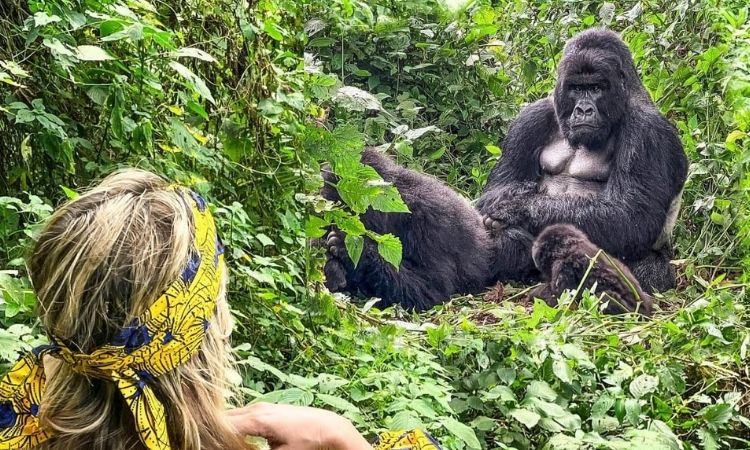
• Gloves & gaiters – Very handy for gorilla trekking in dense, thorny undergrowth. Gloves protect your hands when holding vines, and gaiters stop mud and insects from getting into your boots.
6. Cultural & Practical Extras
These little extras make life in Uganda smoother and help you connect with locals.
• Reusable shopping bag – Plastic bags are banned in Uganda. A foldable tote is great for shopping.
• Travel guidebook or offline maps app – Google Maps works in cities but not always in remote areas. Maps.me is a great offline option.
• Notebook & pen – Perfect for journaling your journey or jotting down contacts.
• Small gifts – Thoughtful items like pens, notebooks, or crafts from your home country are appreciated, especially if visiting local communities or staying with hosts.
• Snacks – Energy bars, nuts, or dried fruit are useful for long road trips and treks where food may not be available.
7. What NOT to Pack
Some items are unnecessary, impractical, or even prohibited.
• Plastic bags – Banned in Uganda, and you may be fined if found carrying them at customs.
• Too much jewelry or flashy items – They attract unwanted attention and aren’t practical for safaris or treks.
• Drones – You’ll need a special permit to bring one into Uganda. Without it, authorities may confiscate it.
• Excessive luggage – Travel in Uganda often involves buses, vans, or small planes with limited space. Pack light and versatile.
Final Packing Tip
Think practical, respectful, and versatile. Uganda is generally warm, welcoming, and safe when you come prepared. With the right packing list, you’ll be free to fully enjoy your trip—from the lively markets of Kampala to gorilla trekking in misty forests and peaceful boat rides along the Nile.
Travel light, stay safe, and most importantly—immerse yourself in the unforgettable adventure that Uganda offers