Best places for primate safaris in Rwanda
June 4, 2026
Best Budget lodges at Queen Elizabeth National Park
June 8, 2026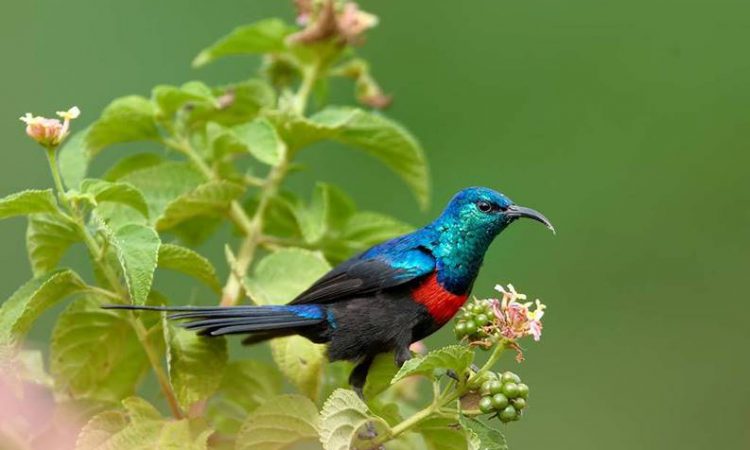
Bird species to expect at Semuliki National Park – Semuliki National Park is one of Uganda’s most important birding destinations. Located in western Uganda along the border with the Democratic Republic of Congo, the park covers a large area of tropical lowland forest that forms part of the wider Congo Basin ecosystem. This unique environment attracts hundreds of bird species, making it a favorite destination for birdwatchers, nature lovers, and photographers.
The park is home to more than 440 bird species, including many birds that are difficult to find elsewhere in East Africa. Its rich forest habitat, wetlands, rivers, and grassland edges create ideal conditions for both resident and migratory birds. For travelers interested in Uganda safaris, Semuliki National Park offers a different experience from the traditional wildlife-viewing destinations. Instead of focusing only on large mammals, visitors can enjoy the diversity of birdlife that thrives in this tropical forest.
Many Uganda wildlife safaris now include birding experiences because Uganda is recognized as one of Africa’s leading birdwatching destinations. Semuliki National Park contributes greatly to this reputation. Whether you are an experienced birder or a beginner, the park offers opportunities to see colorful, rare, and interesting bird species throughout the year.
Why Semuliki National Park is great for Birdwatching
Semuliki National Park stands out because it hosts many Central African bird species that are not commonly found elsewhere in East Africa. The park’s location within the Albertine Rift and its connection to the Congo Basin allow birds from different ecological regions to thrive here.
The dense forest canopy, riverine vegetation, and swampy areas provide food, shelter, and breeding grounds for numerous bird species. As a result, birdwatchers visiting the park can record a large number of species within a relatively short period.
For visitors seeking Uganda adventure safaris, birdwatching in Semuliki combines exploration, walking trails, and encounters with unique wildlife in a natural forest setting.
The bird species to expect at Semuliki National Park
The Rare Shoebill
The Shoebill is one of Uganda’s most sought-after bird species. Although sightings in Semuliki National Park are not guaranteed, birdwatchers occasionally encounter this large and unusual bird in wetland areas near the park.
The Shoebill is known for its large shoe-shaped bill, which gives the bird its name. It feeds mainly on fish and spends long periods standing still while hunting. Seeing a Shoebill is often considered a major highlight during Uganda safaris focused on birdwatching.
Its unique appearance and behavior make it one of Africa’s most famous birds.
Nkulengu Rail
The Nkulengu Rail is one of the most exciting species for bird enthusiasts visiting Semuliki National Park. This secretive bird is difficult to observe because it prefers dense forest habitats and often remains hidden.
Although it is rarely seen, its distinctive calls can often be heard echoing through the forest. Birdwatchers from around the world travel to Semuliki hoping to add this species to their bird lists.
The Nkulengu Rail is one of the reasons why Semuliki remains an important destination for specialized birding tours.
Congo Serpent Eagle
The Congo Serpent Eagle is another highly valued bird species found in Semuliki National Park. This bird of prey inhabits tropical forests and is often spotted perched quietly beneath the forest canopy.
Unlike many eagles that soar high above open landscapes, the Congo Serpent Eagle prefers the dense forest environment. It feeds on reptiles, amphibians, and small mammals.
Its presence highlights the strong Central African influence within the park’s bird population.
White-crested Hornbill
The White-crested Hornbill is among the most recognizable birds in Semuliki National Park. Its striking white crest and black body make it easy to identify.
These birds are usually observed moving through the forest in small groups. Their loud calls often alert birdwatchers to their presence before they become visible.
Hornbills play an important role in forest ecosystems because they help disperse seeds across large areas. They contribute significantly to maintaining the health of tropical forests.
Piping Hornbill
Another hornbill species commonly seen in the park is the Piping Hornbill. This medium-sized bird has a distinctive call and spends much of its time feeding on fruits.
The Piping Hornbill can often be observed flying between fruiting trees in search of food. Birdwatchers appreciate its active behavior and attractive appearance.
It is one of the many species that demonstrate the richness of Semuliki’s forest ecosystem.
Black Dwarf Hornbill
The Black Dwarf Hornbill is one of the smaller hornbill species found within the park. Despite its size, it remains an exciting sighting for visitors.
This species prefers dense forest habitats where it feeds on fruits and insects. Because of its relatively limited distribution, many birders specifically visit Semuliki National Park to look for it.
The Black Dwarf Hornbill is considered one of the key target species during birdwatching tours.
Yellow-throated Cuckoo
The Yellow-throated Cuckoo is a beautiful forest bird known for its bright yellow throat and elegant appearance.
This species is often detected by its calls before it is seen. It spends much of its time in the forest canopy, making observation a rewarding challenge for birdwatchers.
Its presence adds to the diversity of forest birds that make Semuliki National Park an important birding destination.
Lyre-tailed Honeyguide
The Lyre-tailed Honeyguide is one of the most unique birds found in Semuliki. Males have long tail feathers that create a distinctive appearance.
Honeyguides are famous for their relationship with humans and other animals, often leading them to wild bee nests. While this behavior is not always observed, it has made honeyguides well known among bird enthusiasts.
The Lyre-tailed Honeyguide remains one of the park’s most sought-after species.
Red-billed Dwarf Hornbill
The Red-billed Dwarf Hornbill is another forest specialist that attracts birdwatchers to Semuliki National Park.
Its bright red bill stands out against its darker plumage, making identification easier when conditions are favorable. The bird typically feeds on fruits and insects while moving through the forest canopy.
This species further highlights the exceptional variety of hornbills found in the park.
Blue-billed Malimbe
The Blue-billed Malimbe is a colorful forest bird that belongs to the weaver family. It is particularly attractive due to its bright blue bill and contrasting plumage.
These birds are often observed foraging among branches in search of insects and fruits. Their active behavior and colorful appearance make them favorites among photographers.
The Blue-billed Malimbe is one of several Congo Basin species that birdwatchers can find in Semuliki.
Forest Ground Thrush
The Forest Ground Thrush is another special species found within the park. Unlike many birds that spend time in the canopy, this thrush is frequently seen on the forest floor searching for insects and other small food items.
Its behavior offers birdwatchers a different viewing experience compared to canopy-dwelling species.
The Forest Ground Thrush contributes to the rich diversity of birdlife found throughout the park.
Maxwell’s Black Weaver
Maxwell’s Black Weaver is one of the more localized bird species present in Semuliki National Park. This weaver is known for its dark plumage and interesting nesting behavior.
Like other weavers, it constructs detailed nests that demonstrate impressive engineering skills. Birdwatchers often enjoy observing these birds as they move actively through the forest.
The species is considered a valuable sighting during birding tours.
African Piculet
The African Piculet is Africa’s smallest woodpecker and one of the unique species found in Semuliki National Park.
This tiny bird spends much of its time searching tree bark for insects. Because of its small size, it can be difficult to spot, but patient birdwatchers are often rewarded with excellent views.
The African Piculet is another example of the specialized bird species that attract visitors to Semuliki.
Swamp Palm Bulbul
The Swamp Palm Bulbul prefers wetland and swamp habitats within the park. It is frequently observed feeding on fruits and insects around swampy areas.
This species is particularly important because it is associated with habitats that support many other bird species as well.
Birdwatchers exploring the wetlands of Semuliki often have opportunities to encounter this attractive bulbul.
Best Time for Birdwatching in Semuliki National Park
Birdwatching in Semuliki National Park can be enjoyed throughout the year. However, the dry seasons generally provide easier access to trails and better viewing conditions.
The months from December to February and June to August are often preferred by visitors. During these periods, forest trails are more accessible, and birdwatchers can move comfortably through the park.
Migratory birds may also be present during certain times of the year, adding even more diversity to the bird population.
Tips for Birdwatching in Semuliki National Park
Start Early in the Morning
Many bird species are most active shortly after sunrise. Early morning birding often provides the best opportunities for sightings and photography.
Hire an Experienced Guide
Local guides understand bird calls, feeding areas, and movement patterns. Their knowledge can significantly improve your birdwatching experience.
Carry Proper Equipment
Binoculars, cameras, field guides, and comfortable walking shoes can help make your birding trip more enjoyable and productive.
Be Patient
Forest birdwatching requires patience. Many species remain hidden within dense vegetation and may take time to locate.
Respect Wildlife
Avoid disturbing birds or their habitats. Responsible birdwatching helps support conservation efforts and protects the park’s biodiversity.
Semuliki National Park remains one of Uganda’s finest birdwatching destinations. With more than 440 bird species, including many rare Central African forest birds, the park offers excellent opportunities for both experienced birders and first-time visitors.
From the White-crested Hornbill and Congo Serpent Eagle to the Lyre-tailed Honeyguide and African Piculet, the variety of species found here reflects the richness of the Congo Basin ecosystem. Birdwatching in Semuliki provides a unique experience that complements traditional Uganda wildlife safaris and adds value to broader Uganda adventure safaris.
For travelers interested in African safaris, Semuliki National Park offers a chance to explore a different side of the continent’s natural heritage. The combination of tropical forests, diverse birdlife, and rich ecosystems makes it an excellent destination for African adventure safaris and bird-focused travel experiences.
Whether your goal is to photograph rare species, build a bird list, or simply enjoy nature, Semuliki National Park offers an enriching birdwatching experience in the heart of western Uganda.