
Best places for primate safaris in Uganda
May 26, 2026
Where to see Leopards on Rwanda wildlife safaris
May 29, 2026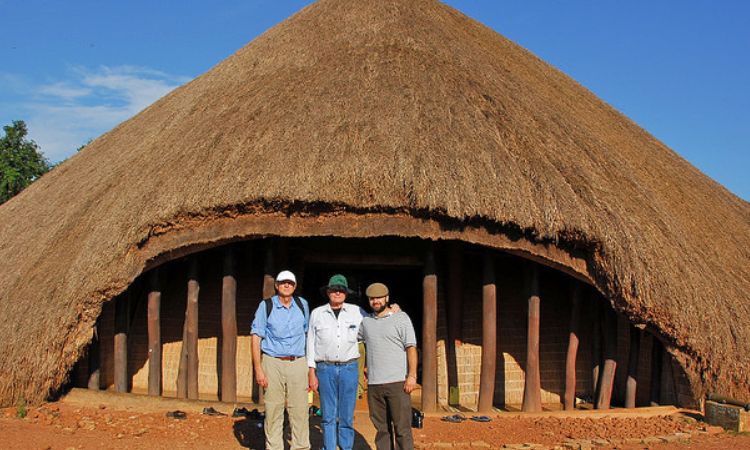
Top places for cultural tours in Uganda- Uganda is known for its wildlife, landscapes, and friendly people. Beyond the national parks and gorilla trekking experiences, the country also has a rich cultural heritage that gives visitors a deeper understanding of local communities and traditions. Many travelers who come for Uganda safaris also take time to explore cultural sites across the country. These cultural experiences help visitors learn about traditional kingdoms, local music, dance, food, crafts, and historical places.
Cultural tourism in Uganda is growing because travelers want more than wildlife viewing. They want to connect with local people and understand how communities live. Whether you are planning Uganda wildlife safaris, Uganda adventure safaris, or wider African safaris, adding cultural tours to your itinerary creates a more complete travel experience.
From ancient kingdoms to traditional homesteads and heritage centers, Uganda offers many places where culture is preserved and shared with visitors. These cultural sites are spread across different regions of the country and each one tells a unique story about Uganda’s identity.
The top places for cultural tours in Uganda
Kasubi Tombs
The Kasubi Tombs are one of the most important cultural and historical sites in Uganda. Located in Kampala, the site serves as the burial ground for kings of the Buganda Kingdom. The tombs are recognized as a UNESCO World Heritage Site because of their cultural value and traditional architecture.
Visitors to Kasubi Tombs learn about the history of the Buganda Kingdom, one of the largest traditional kingdoms in East Africa. The guides explain royal traditions, leadership structures, and cultural practices that have been passed down through generations.
The site is built mainly using local materials such as reeds, wood, grass, and bark cloth. Traditional construction methods are still respected during restoration and maintenance.
For travelers interested in Uganda safaris, visiting the Kasubi Tombs offers a chance to combine wildlife experiences with historical and cultural learning.
Ndere Cultural Centre
The Ndere Cultural Centre is one of the best places in Uganda to enjoy traditional music and dance performances. Located in Kampala, the center brings together cultural performances from different regions of Uganda.
The performances include traditional dances, storytelling, drumming, and songs from tribes such as the Baganda, Banyankole, Acholi, Basoga, and Karamojong.
Visitors also enjoy local food served at the center, making the experience more interactive and educational. The performances explain social values, ceremonies, and daily life in Ugandan communities.
Many travelers on African safaris visit the Ndere Cultural Centre because it provides a quick introduction to Uganda’s cultural diversity in one place.
Buganda Royal Palace
The Buganda Royal Palace, also called Lubiri Palace, is located in Kampala and is another important site for cultural tours in Uganda. The palace is the official residence of the Kabaka, the king of Buganda.
The site has historical importance because it played a role during Uganda’s political conflicts in the 1960s. Visitors can tour the palace grounds and learn about Buganda’s leadership system and royal traditions.
One of the major attractions at the palace is the underground torture chamber used during the Idi Amin regime. The chamber reminds visitors about Uganda’s political history and the struggles faced during that period.
Travelers combining Uganda safaris with historical tours often include the palace in their itinerary.
Igongo Cultural Centre
Located in southwestern Uganda near Mbarara, the Igongo Cultural Centre is a popular stop for tourists traveling to Bwindi Impenetrable National Park and Queen Elizabeth National Park.
The center focuses on the culture of the Banyankole and Bahima people. Visitors learn about cattle keeping, traditional marriage ceremonies, local food preparation, and ancient lifestyles.
The cultural museum at Igongo displays historical tools, traditional clothing, and household items used by local communities over the years.
The center also has accommodation and a restaurant that serves traditional Ugandan meals. It is a good place for travelers on Uganda wildlife safaris to rest while learning about local culture.
Batwa Cultural Centre
The Batwa people are among the oldest indigenous communities in Uganda. They originally lived in the forests around Bwindi and Mgahinga before conservation programs relocated them from the forests.
Today, visitors can join the Batwa Cultural Experience near Bwindi Impenetrable National Park. During the tour, Batwa guides explain how they hunted, gathered food, made medicine from plants, and lived in the forest.
The experience includes traditional dances, songs, storytelling, and demonstrations of survival skills. Travelers gain a better understanding of how conservation and tourism have affected indigenous communities.
Many tourists who come for gorilla trekking and Uganda adventure safaris add the Batwa experience to their travel plans.
Karamoja Cultural centre
Karamoja, located in northeastern Uganda, is one of the most unique cultural regions in the country. The Karamojong people are pastoralists known for their cattle culture, traditional dress, and community lifestyle.
Cultural tours in Karamoja allow visitors to interact with local communities, visit traditional homesteads called manyattas, and learn about cattle keeping practices.
Travelers can also enjoy traditional dances, spear demonstrations, storytelling sessions, and local craft making. The region has become popular among tourists looking for authentic African adventure safaris away from crowded destinations.
Karamoja also offers beautiful landscapes, making it suitable for both cultural tourism and nature exploration.
Sezibwa Falls
Sezibwa Falls is a cultural and natural heritage site located along the Kampala-Jinja highway. The falls hold spiritual importance among the Baganda people and are associated with traditional beliefs and rituals.
Local guides share stories connected to the falls, including legends about their origin and cultural significance. Some people still visit the site for spiritual prayers and blessings.
Apart from cultural history, visitors can enjoy nature walks, bird watching, and rock climbing around the falls.
Sezibwa Falls is often included in short cultural tours for travelers exploring central Uganda during Uganda safaris.
Bigo bya Mugenyi
Bigo bya Mugenyi is an ancient earthwork site located in western Uganda. Historians believe it dates back several centuries and may have served as a political or military center.
The site includes trenches, ditches, and embankments spread across a large area. Although many mysteries remain about its exact purpose, it is considered one of Uganda’s important archaeological locations.
Visitors interested in history and ancient African civilizations often explore Bigo bya Mugenyi during cultural tours in western Uganda.
The site adds educational value to Uganda wildlife safaris by introducing travelers to Uganda’s early societies and historical development.
Kabaka’s Lake
Kabaka’s Lake is the largest man-made lake in Uganda and is located in Kampala near the Buganda Royal Palace. It was created during the reign of Kabaka Mwanga II.
The lake was originally intended as a transport route and escape path for the king. Today, it serves as both a cultural and recreational site.
Visitors learn about Buganda history while enjoying views of the lake and surrounding environment. Boat rides and bird watching activities are also available.
The site is easy to combine with city tours and cultural experiences in Kampala.
Amabere ga Nyina Mwiru Caves
Located near Fort Portal in western Uganda, the Amabere ga Nyina Mwiru caves are connected to local legends from the Bachwezi dynasty.
According to local stories, the caves are linked to a woman named Nyina Mwiru and her daughter’s history. The site combines culture, mythology, and natural beauty.
Visitors explore the caves, waterfalls, and surrounding hills while guides explain traditional beliefs and historical stories connected to the area.
Travelers heading for chimpanzee trekking or Uganda wildlife safaris in Kibale National Park often stop at this cultural site.
Best Time for Cultural Tours in Uganda
Cultural tours in Uganda are available throughout the year. However, the dry seasons from June to August and December to February are usually better for travel because roads are easier to access.
Many cultural festivals also take place during different times of the year. Travelers can enjoy traditional ceremonies, music festivals, and community celebrations depending on their travel dates.
Combining cultural tours with Uganda wildlife safaris during the dry season allows visitors to enjoy both activities comfortably.
Uganda is more than a wildlife destination. The country has deep cultural roots that offer visitors meaningful travel experiences beyond national parks and game drives. From royal palaces and ancient tombs to indigenous community tours and traditional dance performances, Uganda’s cultural sites provide valuable insight into the country’s history and traditions.
Travelers planning Uganda safaris, Uganda wildlife safaris, and Uganda adventure safaris can enrich their journeys by including cultural tours in their itineraries. These experiences create stronger connections between visitors and local communities while supporting cultural preservation.
For tourists exploring African safaris and African adventure safaris, Uganda remains one of the best destinations for combining culture, wildlife, and authentic local experiences in one journey.