Best Luxurious lodges at Akagera National Park- Rwanda safaris
April 15, 2026
Top luxurious lodges at Murchison falls National Park
April 20, 2026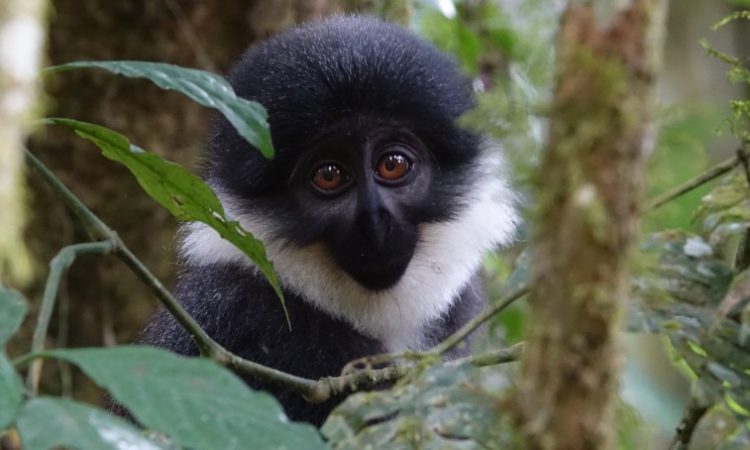
Wildlife at Gishwati-Mukura National Park- Rwanda safaris. Gishwati-Mukura National Park is one of Rwanda’s greener corners, known for life in the forest rather than for big crowds. When you plan your Rwanda safaris, this park gives you a different kind of day: a slow walk under tall trees, a ranger guiding you, and the feeling that you are entering a real habitat, not just a view. If you like Rwanda wildlife safaris that focus on nature, animals, and clean sightings, Gishwati-Mukura is a strong choice.
This park is also a good fit for Rwanda adventure safaris. Adventure does not always mean speed or long distances. Sometimes it means listening for birds, tracking movement in the understory, and learning how forest animals survive in a shared space. In this blog, you will find the main wildlife highlights and what you can expect during African safaris and African adventure safaris in this region.
The wildlife at Gishwati-Mukura National Park- Rwanda safaris
Primates
Primates are a big part of why travelers plan Rwanda safaris and Rwanda wildlife safaris that focus on forest wildlife. In Gishwati-Mukura, you can often hear primates before you see them, and then spot movement high in the trees. For example, you may see chimpanzees moving through the canopy, pausing to feed, and then continuing deeper into the forest. Another common primate experience can involve monkeys that travel in small groups, using tree branches to cross from one feeding area to another. These moments feel connected to the forest because the animals are not just “shown” to you; they are actively living their daily routine.
If you enjoy Rwanda adventure safaris, primate tracking can also be a slow and thoughtful experience. Your guide may point out signs such as calls or recent feeding marks, and then you follow the trail step by step. The best sightings often happen when you are patient and quiet, because forest primates can stay out of sight for long periods and then appear suddenly.
Birdlife
Birdlife in Gishwati-Mukura is one of the reasons the park works so well for people who like African safaris with nature focus. During your walks, you may hear bird calls first, then notice birds moving between leaves and tree tops. For example, you might see colorful forest birds near the canopy, or spot smaller species that move quickly along branches. Some birds may stay closer to water sources, where insects are more active and the forest feels cooler and shaded.
Bird watching can also be a practical way to build excitement during your Rwanda wildlife safaris even on days when larger wildlife is harder to find. When a bird lands in view, it often means you are in a good area for other animals too. So, if you are doing Rwanda adventure safaris, treat bird time as part of the journey, not just a short extra activity.
Other Mammals
Other mammals in Gishwati-Mukura may not always appear in full view, but they add depth to the wildlife experience. In forest environments, mammals can be shy and stay close to cover, so you may see them as brief movement, footprints, or signs near trails. For example, you could spot small forest mammals moving near leaf litter or in shaded areas where they feel safe. You may also notice animals indirectly through their paths, such as tracks along the forest floor or signs of feeding.
For people planning African adventure safaris, this is still exciting because every sign tells a story about how animals use the habitat. Your guide may explain which microhabitats are promising, such as areas near streams or thicker vegetation. That means you are not only “hoping” to see wildlife—you are learning where to look, how to observe calmly, and how small sightings can still be a strong memory.
Tips for Getting the Best Wildlife Sightings
Here are practical tips to help you enjoy wildlife at Gishwati-Mukura National Park.
- Start early. Morning activity often brings more bird calls and more visible wildlife movement
- Keep quiet and move slowly. Sudden noise can push animals deeper into the forest
- Bring comfortable walking shoes. Forest trails can be uneven and muddy
- Carry light rain protection if the weather is wet. Forest days can change quickly
- Bring binoculars if you like bird watching and canopy movement
- Ask your guide what the plan is for the day. Good Rwanda wildlife safaris often have clear tracking goals
Why Gishwati-Mukura Fits African Safaris and African Adventure Safaris
Many travelers compare parks and choose based on their goals. Gishwati-Mukura works well for people who want forest wildlife and a calmer pace. It is a good fit for African safaris where you want real nature moments and not only driving between viewpoints.
For African adventure safaris, it offers walking, tracking, bird observation, and conservation learning. You can feel the forest close to you. You may also enjoy smaller daily experiences that build a larger memory over time.
When you include this park in your Rwanda safaris, you also get a sense of Rwanda’s conservation direction. The country focuses on protecting habitats and supporting sustainable wildlife viewing. This makes the entire trip more meaningful.
Conclusion: A Forest Experience with Depth
Wildlife at Gishwati-Mukura National Park is not only about seeing animals. It is about understanding how a forest keeps its life through food chains, habitat, and protection. If you are planning Rwanda safaris that focus on Rwanda wildlife safaris, this park offers a strong balance of primates, birds, and forest mammals.
If your travel style is shaped by Rwanda adventure safaris, you will likely enjoy the walking pace, the quiet observation, and the ranger-led tracking moments. And for travelers looking for African safaris and African adventure safaris, this park can add a unique forest chapter to your journey.