
What to see on game drives at Amboseli National Park
February 24, 2026
Top places for family tours in Rwanda
February 25, 2026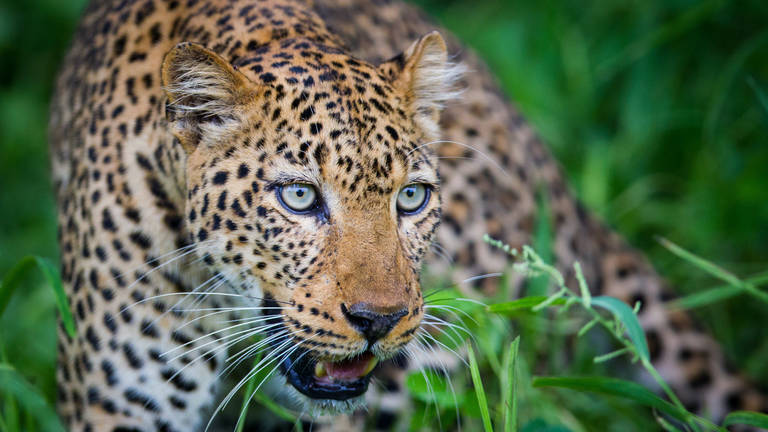
Where to see leopards on Kenya wildlife safaris- Kenya offers several rich habitats where leopards live in relative abundance, from forested lands to savannas and rocky outcrops. On Kenya safaris, you can combine leopard sightings with other iconic wildlife, safe travels, and beautiful landscapes. This guide explains where leopards are most likely to be seen, what times and conditions help you find them, and practical tips to improve your chances. It uses simple, direct language so you can plan with confidence. You’ll also find how these experiences fit into broader concepts like Kenya wildlife safaris, Kenya adventure safaris, African safaris, and African adventure safaris.
Leopard basics: what makes them special on Kenya safaris
Leopards are known for their adaptability and stealth. They can live in dense forests, open plains, and rugged hills. They often spend daylight hours resting in trees or thick bushes, then move at night or during dawn and dusk to hunt. Because leopards are solitary and avoid crowding, spotting one can feel like a quiet, rewarding moment rather than a loud spectacle. Successful leopard sightings in Kenya often come from patient, respectful watching and a readiness to follow a guide’s advice.
Key places to look for leopards in Kenya
Maasai Mara National Reserve (and neighboring conservancies)
The Mara has varied habitats, including savannas, acacia plains, riverine forests, and rocky outcrops. Leopards here use the mix of cover and visibility to linger on branches or near roads, making them accessible for observant visitors.
What to expect: You may see leopards resting on tree branches, waiting near a river, or moving along the edge of a woodland. The Mara also offers big-cat action in combination with wildebeest migrations during certain times of year, which can increase the chance of seeing predators in motion
Amboseli National Park
Amboseli’s open landscapes and rocky outcrops create good chances to spot leopards moving across the savanna or resting in the shade of trees. The park’s elephant crowds can sometimes keep leopards nearby as part of the ecosystem.
What to expect: Leopards in Amboseli are often seen along rocky slopes or within tree cover near water sources. A patient single sighting can be a memorable moment as you watch a leopard blend into its surroundings.
Laikipia Plateau (and surrounding private reserves)
Laikipia has a network of ranches, conservancies, and forests that provide healthy leopard populations and comfortable viewing conditions. Guides here are experienced with big-cat behavior.
What to expect: Leopards may be spotted on rocky outcrops, in thickets, or along riverine zones. The variety of habitats means opportunities for both daytime and twilight sightings.
Samburu, Buffalo Springs, and Isiolo regions
These areas host diverse wildlife and rugged terrain where leopards hunt and rest in rocky areas or among thorn trees.
What to expect; You might observe a leopard perched on a boulder or hiding in a dense bush, especially in the heat of the day when they retreat to shade.
Kakamega Forest and other forested reserves
Forest habitats support a different kind of leopard life, with more canopy and dense understory. In some forests, you may catch glimpses of leopards moving through vines and branches.
What to expect: Look for sightings at forest edges or along trails where scent marking and movement draw attention. Forest leopard encounters tend to be more fleeting and require patience.
Amazing facts about Leopards
- Wide range of habitat
- Leopards live on three continents: Africa, Asia, and the Middle East. They adapt to forests, grasslands, mountains, and rocky hills, and even urban edges in some places.
- Distinctive coat pattern
- Each leopard has a unique pattern of rosettes (rose-like spots) on its fur. This pattern helps camouflage them in their environment, especially in dappled light and among trees and rocks.
- Excellent climbers
- Leopards are superb climbers. They often drag their prey up into trees to keep it safe from scavengers like hyenas. Some leopards even sleep in trees to stay high and safe.
- Night specialists
- Leopards are mostly nocturnal or crepuscular (active at dawn and dusk). Their night vision is very sharp, helping them hunt in low light.
- Great والمت stealth
- Leopards move quietly and can approach prey without being noticed. Their padded paws and careful steps help them stay silent as they stalk.
- Powerful jaws and teeth
- Leopards have strong jaws that can crush necks and deliver quick, efficient kills. Their bite is designed to hold onto prey while they drag it away.
- Versatile hunters
- Leopards eat a wide variety of prey, from small rodents to larger antelopes. They will even scavenge when the opportunity arises.
- Solitary behavior
- Leopards are mostly solitary animals. They live and hunt alone, except during mating and when mothers are raising cubs.
- Incredible versatility in hunting
- They can stalk across open ground, hide in tall grass, or wait at the edge of a water source. Their patience and ability to stay still for long periods help them get close to prey.
- Incredible speed and power
- Leopards can sprint for short distances when chasing prey. They are strong enough to take down animals larger than themselves in some cases.
- Excellent swimmers (in some populations)
- Some leopards are good swimmers and will cross rivers or swim to catch prey or reach different hunting grounds.
- Night vision and senses
- Leopards have excellent night vision, a keen sense of hearing, and a strong sense of smell. These senses help them locate prey in the dark.
- Flexible reproductive strategy
- A female leopard gives birth to cubs after a gestation of about 90-105 days. Cubs depend on their mother for up to two years, learning hunting and survival skills.
- Long-distance movement
- Leopards can cover large territories. They may roam many square kilometers to find food, mates, and safe den sites.
- Distinct vocalizations
- Leopards make a variety of sounds, including screams, grunts, growls, and chuff-like sounds. They use vocalizations to communicate with prey, rivals, or a mate.
- Conservation status varies by region
- Leopards face threats from habitat loss, poaching, and human-wildlife conflict. Some populations are stable in protected areas, while others are threatened in parts of their range.
- Lifespan in the wild and in captivity
- In the wild, leopards typically live around 12-15 years, though some reach longer. In captivity, they can live longer due to regular meals and medical care.
- Leopard and human connections
- Leopards have featured in cultures and folklore for centuries. They are admired for their beauty, stealth, and strength, and they help balance ecosystems by keeping prey populations in check.
- Quick recovery tricks
- Leopards are highly adaptable and can survive in landscapes altered by humans if protected areas and corridors connect habitats.
- Famous for the “tree-in-the-middle” method
- The image of a leopard resting on a tree branch is iconic. This habit helps them stay safe from ground predators and provides a vantage point to watch their surroundings.
- They are not always alone when hunting
- While generally solitary, a mother with cubs will hunt and care for the cubs together for a period before the cubs become independent.
- Subspecies diversity
- There are several leopard subspecies across Africa and Asia, each with slight differences in coat pattern, size, and behavior suited to their local environments.
When to spot leopards: timing and behavior
- Early mornings and late afternoons: Leopards often hunt at dawn and dusk. These hours also have cooler temperatures, which make wildlife more active and visible.
- After rain or in cooler weather: Leopards may be more prone to move in search of prey when the air is cooler and scents carry well.
- At water sources and along ridges: Leopards use rocky or wooded edges as vantage points. Bring your binoculars to scan trees and brush from a safe distance.
- In protected areas with guided drives: Guides know typical leopard habitats and can read signs such as tracks, scratch marks, and recent scents that indicate a leopard’s presence.
If you want a blend of quiet moments, dramatic scenery, and the thrill of a successful leopard sighting, a leopard-focused itinerary can be very rewarding. It pairs well with other wildlife experiences and cultural interactions that define Kenya safaris, Kenya wildlife safaris, and Kenya adventure safaris. Make your Kenya wildlife safaris great with us at Zerimas safaris