Where to go for horseback riding adventures in Uganda
February 13, 2026
Where to go for hot air balloon adventures in Rwanda
February 16, 2026
How safe is Rwanda for wildlife safaris 2026/2027? Rwanda has become a popular destination for wildlife safaris in recent years. The country’s compact size, good roads, and well-managed national parks make planning easier than in many larger African countries. For travelers asking “How safe is Rwanda for wildlife safaris in 2026 and 2027?”, the short answer is that Rwanda is generally very safe for wildlife tourism when you follow sensible precautions and use reputable operators. This article explains the safety situation for visitors, the specific risks to consider on different types of safaris, and practical advice to help you plan a worry-free trip. Keywords appear naturally in the discussion: Rwanda adventure safaris, Rwanda wildlife safaris, Rwanda safaris, African adventure safaris.
How safe is Rwanda for wildlife safaris 2026/2027?
National security and overall safety
Rwanda has a reputation for strong public security. The government maintains visible and effective security measures, especially in urban areas and around national parks and tourist facilities. Crime rates against tourists are low compared with many other destinations in the region. Road traffic incidents and petty theft are the most common problems visitors report, but violent crime targeting tourists is rare. Tourists commonly travel between Kigali and national parks on paved roads that are generally well maintained. Police and park authorities are responsive, and many lodges and safari operators work closely with local authorities to keep guests safe. For anyone booking Rwanda wildlife safaris, confirming that your operator communicates its safety protocols in advance is a good step.
Health risks and medical care
Health considerations are important for any African safari. Rwanda has improved medical facilities in cities like Kigali, where private clinics and international hospitals offer care for common travel illnesses and injuries. For serious emergencies you may still need evacuation to a larger regional center, so check whether your travel insurance covers emergency evacuation and medical repatriation. Malaria risk exists in Rwanda, primarily at lower elevations and in some park areas. Take anti-malarial medication if recommended by your healthcare provider, use insect repellent, and sleep under bed nets when provided. Keep routine vaccinations up to date, and speak with a travel clinic before you go to get current advice on vaccines and preventive measures. Drinking bottled or purified water, avoiding raw food from street vendors, and practicing good hygiene reduce common travel-related illnesses that could disrupt your Rwanda adventure safaris.
Park safety and wildlife interactions
How closely you interact with wildlife affects your safety. Rwanda’s parks and reserves follow strict rules around viewing distances, guided walks, and vehicle behavior. In Volcanoes National Park, where gorilla trekking is the main activity, rangers and guides enforce rules to protect both gorillas and visitors. Treks are conducted in small groups, and guides brief visitors on appropriate behavior: maintain a safe distance, avoid sudden movements, and follow the guide’s directions. These rules reduce the chance of a dangerous encounter. In Akagera National Park, where game drives are common, rangers patrol the park and coordinate with guides to monitor wildlife movements. Boat safaris on Lake Ihema have clear procedures for boarding and for staying safe around hippos and crocodiles. When you follow guides’ instructions and the park rules, wildlife encounters are managed to reduce risk to visitors and to the animals.
Gorilla trekking safety
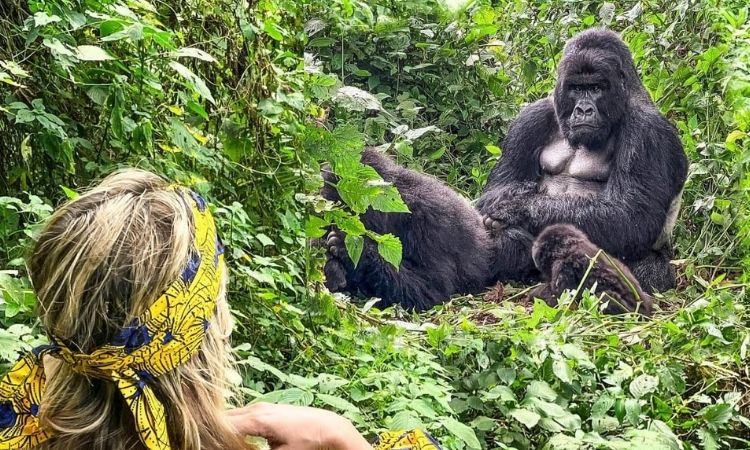
Gorilla trekking is a central component of Rwanda wildlife safaris, and it comes with unique safety considerations. Treks can be physically demanding and involve moving through steep, muddy, or narrow trails at high elevation. Visitors should be reasonably fit and prepared for variable weather. The main safety risks are slips, falls, and potential disease transmission between humans and gorillas. To reduce disease risk, park rules require that sick people not join treks and that visitors stay a regulated distance from the gorillas. Wearing masks during treks is a common precaution—check current park guidance for any mask requirements in 2026/2027. Guides and rangers are well trained in managing gorilla groups and in keeping visitors at a safe distance. Mountain gorillas are large and powerful animals, but they are not naturally aggressive toward humans; most encounters are peaceful if visitors follow the briefing and the guide’s instructions. Choosing Park-licensed guides and permits through official channels adds another layer of safety.
Golden monkey tracking and other guided walks
Golden monkey tracking and guided nature walks are less demanding than gorilla trekking, though they still need care. These activities usually occur in forested or montane areas where footing can be uneven. Wearing good hiking boots and following group instructions reduces the likelihood of minor injuries. Guides are trained to read animal behavior and to keep groups organized. For birdwatching and short walks, operators ensure small group sizes so the walks are relaxed and safe. If you have limited mobility or balance issues, tell your operator in advance so they can plan appropriate routes or alternative activities.
Road travel and transport safety
Road safety is an important factor for Rwanda safaris. Roads between Kigali and the main parks such as Volcanoes and Akagera are generally paved and in good condition, though rural roads and tracks to some lodges can be rough, especially in the rainy season. Drivers in Rwanda often drive with care compared with some neighboring countries, and long-distance shuttle services and private transfers are commonly used by safari operators. If you rent a vehicle, use a reputable company, avoid night driving on unlit roads, and confirm whether the vehicle includes a driver familiar with local conditions. Seat belts are recommended at all times. For tourists taking local minibuses or motorcycle taxis (motos), exercise caution—these modes of transport are convenient but carry higher accident risk than organized transfers.
Weather and seasonal risks
Weather can affect safety and comfort on safari. Rwanda’s climate varies with altitude, which means higher-elevation areas like the Volcanoes range can be cool and wet. Heavy rains, especially during the long and short wet seasons, make some trails slippery and can cause minor landslips or washouts on secondary roads. Before travel, check local weather forecasts and pack suitable clothing, waterproof gear, and sturdy boots. If adverse weather makes a trek or road transfer risky, trust your guide or operator to change plans. Good operators monitor weather and adapt itineraries to keep guests safe.
Political stability and travel advisories
Rwanda is politically stable and has a government focused on tourism and public order. For most travelers, this stability translates into predictable conditions and safe travel throughout the country. Nonetheless, check your government’s travel advisory before travel to get the latest official information. These advisories may note health or security concerns, entry requirements, or useful contact details. In 2026/2027, travel advisories for Rwanda tend to reflect routine travel cautions rather than widespread safety threats, but it is wise to look up updates within a few weeks of departure.
Local laws, customs, and respectful behaviour
Following local laws and customs is part of staying safe. Rwanda has laws and community expectations that differ from other countries, and visitors should be respectful of local norms. Dress modestly in rural communities, ask permission before photographing people, and avoid behaviors that could attract unnecessary attention. Public displays of affection may be frowned upon in some areas. Drugs are illegal and penalties are severe. Obey park regulations, including rules about where you can walk and where fires are permitted. Paying attention to the local context and following guide advice helps avoid misunderstandings that could escalate into legal issues.
Safety while staying in lodges and camps
Lodges and tented camps used by Rwanda adventure safaris generally maintain high safety standards. Many properties are secure, with gated perimeters, trained staff, and procedures for emergencies. If you have specific concerns about safety or accessibility, discuss them with your lodge before arrival. Ask about backup power, water quality, and the presence of medical supplies. For night-time safety, use provided lighting, lock your doors, and follow lodge instructions about wildlife hazards near camp. Some remote camps may have limited mobile coverage; check this if staying connected is important to you.
Traveler scams and petty crime
Petty crime like pickpocketing and bag snatching can occur in crowded or tourist-heavy areas, though it is less common in Rwanda than in some other destinations. Keep valuables secure, use hotel safes for passports and extra cash, and carry copies of important documents separately. Beware of common tourist scams, such as unofficial guides offering discounted permits or services; always book gorilla permits and major park activities through official channels or trusted operators. If someone offers what seems like an unusually cheap permit or arrangement, decline and check with your lodge or the park office.
Group size, guides, and operator choice
Group size and guide quality influence safety directly. Smaller groups allow guides to manage people more effectively and to respond quickly to changing wildlife behavior or trail hazards. Official park guides and rangers have training in tracking and wildlife rules; using licensed guides is a safety advantage. Choose operators with good reputations, transparent pricing, and clear safety policies. Read recent reviews, confirm group sizes for treks and game drives, and ask about guide qualifications and emergency procedures. Selecting the right operator reduces the chance of miscommunication or poorly planned activities that could increase risk.
Insurance and contingency planning
Travel insurance is essential for Rwanda safaris. Ensure your policy covers medical treatment abroad, emergency evacuation, and potential trip interruption. Gorilla permits are expensive and often non-refundable, so check whether your insurance or operator offers reimbursement if a trek is canceled for medical or weather reasons. Carry emergency contact details for your embassy or consulate, and leave a copy of your itinerary with someone at home. Have a small fund in case you need to change plans unexpectedly.
Safety for solo travelers and women
Solo travelers and women typically find Rwanda welcoming and safe, but standard precautions matter. Avoid walking alone at night in unfamiliar urban areas, and use reputable transport services. Dress in a way that minimizes unwanted attention in more conservative settings. Female travelers often benefit from choosing lodges and operators known for good guest support and clear policies. If you are traveling alone and plan to join shared activities, check group sizes and the operator’s approach to guest safety and comfort.
Environmental safety and conservation considerations
Following conservation rules keeps you safe and protects wildlife long term. Stay on designated trails, keep distances from animals as instructed, and do not feed wildlife. Some species may be attracted to food or to human scent, increasing the chance of unwanted interactions. Using responsible operators who emphasize low-impact tourism minimizes risks tied to habitat disruption or animal habituation. For travelers interested in contributing to conservation, ask lodges or operators about park fees, community projects, or conservation surcharges that benefit local protection efforts.
Final practical checklist
- Book activities and permits through official channels or trusted operators.
- Check health requirements and get travel clinic advice well before departure.
- Buy travel insurance that covers emergency evacuation and trip interruption.
- Pack sturdy boots, layered clothing, rain gear, insect repellent, and basic first-aid items.
- Use official guides for treks and walks, and follow their instructions.
- Avoid night driving on rural roads and use reputable transfers.
- Keep valuables secure and carry copies of important documents.
- Respect local laws and customs, and follow park rules to protect wildlife.
Overall, Rwanda is a safe destination for wildlife safaris in 2026 and 2027. The nation’s strong security environment, well-managed parks, trained guides, and improving medical infrastructure make visits manageable and predictable. The most significant risks are health-related (malaria and common travel illnesses), trail- or vehicle-related accidents, and the usual petty crime issues that occur in many tourist economies. By choosing licensed operators for Rwanda adventure safaris, following park rules during Rwanda wildlife safaris, preparing medically, and taking common-sense travel precautions, you can substantially reduce risks and enjoy the wildlife and landscapes that draw visitors to Rwanda safaris and to broader African adventure safaris.