Chimpanzee trekking experience at Kyambura Gorge
December 16, 2025
What to expect on a Walking Safari at Lake Mburo National Park
December 17, 2025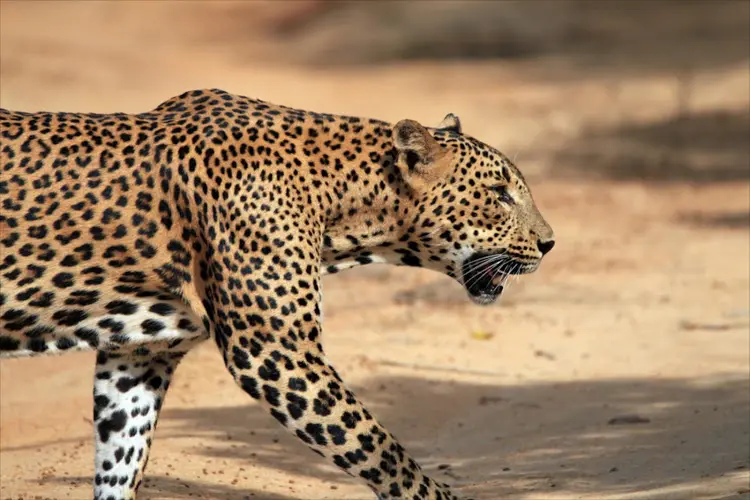
Where to see leopards on a Uganda safari- When on safari in Uganda, spotting lions and leopards is at the top of many visitors’ lists during their game drives. While lions are often easier to see, leopards are more elusive and can be quite challenging to find. Seeing a leopard in Uganda is truly a special event. If your goal is to spot a leopard, be sure to inform your guide. They can adjust the game drive to focus on areas where the chances of encountering one are higher. This personalized approach enhances your Uganda wildlife safari and increases your opportunities for exciting sightings, making your Uganda adventure safari even more memorable.
Where to see leopards on a Uganda safari- Uganda Wildlife safaris
Queen Elizabeth National Park
In Queen Elizabeth National Park, there are several key areas to increase your chances of spotting leopards. Look for them along the Leopard Loop and the adventurous Channel Track. Other good spots include the Kasenyi Research Track and the old mating grounds in Kasenyi. A resident leopard can also be seen near Kyambura Gorge, and in the Ishasha sector, head towards Kigezi Game Reserve or the Ntungwe mating ground for great viewing opportunities.
Murchison Falls National Park
Murchison Falls National Park offers excellent locations for encountering leopards. Focus your search around the palms near the Tangi Gate, along Buligi Track in the elephant corridor, and on Queen’s Track through the sausage tree areas. These spots have proven successful for those looking to see leopards during their Uganda safaris.
Kidepo Valley National Park
Kidepo Valley National Park is known for its wild and untouched landscapes, making it a prime location for leopard sightings. While on a game drive, concentrate your efforts on Buffalo Track and East Kakine Track for the best chances to spot these elusive cats during your Uganda adventure safaris.
Lake Mburo National Park
In Lake Mburo National Park, focus your leopard search along Warukuri Track, Zebra Track, and Lakeside drive in the evening. There are resident leopards around Mihingo Lodge and Rwakobo Rock Lodge. Night game drives with spotlights also provide a fantastic opportunity to see these rare cats in their natural habitat.
Amazing facts about Leopards
1. Adaptable Hunters
Leopards are highly adaptable and can thrive in various habitats, including savannas, forests, and mountainous areas. Their ability to climb trees allows them to store prey away from scavengers.
2. Unique Spot Patterns
Each leopard has a distinctive coat pattern of rosettes, which helps them blend into their surroundings. No two leopards have the same pattern, making it easier for researchers to identify individuals.
3. Solitary Behavior
Leopards are solitary creatures, preferring to live alone except during mating or when a mother is raising her cubs. This behavior helps reduce competition for food.
4. Strong Swimmers
Unlike many big cats, leopards are excellent swimmers and are not afraid of water. They often hunt for fish and can swim across rivers to expand their territory.
5. Nocturnal Nature
Leopards are primarily nocturnal, meaning they are most active during the night. This behavior helps them hunt and avoid competition with larger predators like lions.
6. Powerful Build
Leopards have strong, muscular bodies that allow them to take down prey much larger than themselves. They can lift prey weighing up to two times their own body weight into trees.
7. Vocal Communication
Leopards communicate using a range of vocalizations, including growls, roars, and meows. Their unique vocal sounds can carry for several kilometers, helping them establish territory.
8. Active Territories
Leopard territories can range from 20 to 100 square kilometers, depending on the availability of food and water. Males typically have larger territories than females.
9. Exceptional Night Vision
Leopards have excellent night vision, allowing them to see six times better than humans in low light. This adaptation is essential for their nocturnal hunting lifestyle.
10. Vulnerable Status
Despite their adaptability, leopards are listed as Vulnerable by the International Union for Conservation of Nature (IUCN). Habitat loss and poaching are significant threats to their populations.
The best time to see Leopards in Uganda
The best time to see leopards in Uganda is during the dry seasons, typically from May to September and December to February. During these months, wildlife gathers around water sources, making leopards easier to find. Early mornings and late afternoons are ideal for spotting them, as they are more active during these times. January and February are particularly favorable months, providing abundant prey and frequent leopard sightings. It’s advisable to avoid the rainy season, from March to April and October to November, when leopard behavior changes and visibility decreases. Targeting specific parks can also enhance your chances of spotting these elusive cats.
To make the most of your leopard sighting experience in Uganda, book your Uganda wildlife safaris with us at Zerimas Safaris. We are here to help you create an unforgettable adventure tailored to your interests. Contact us at +256784395836, WhatsApp: +256744651091, or email info@zerimassafaris.com. We look forward to assisting you in planning your remarkable journey through Uganda’s stunning landscapes and diverse wildlife!