
Ishasha Sector: Home of Uganda’s Famous Tree-Climbing Lions
August 17, 2025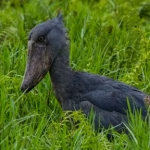
Mabamba Swamp
August 20, 2025
Visit Uganda for Gorilla & Wildlife, For most travelers, the best time to visit Uganda is during the dry seasons, from June to August and December to February. These months provide excellent conditions for gorilla trekking, wildlife safaris, and exploring the country’s diverse landscapes.
That said, the ideal time for your Uganda safari depends on your interests. Whether you dream of tracking endangered mountain gorillas in Bwindi, watching elephants roam the savannas of Queen Elizabeth National Park, or spotting migratory birds along the Nile, understanding Uganda’s climate and wildlife patterns will help you plan a truly unforgettable adventure.
Key Factors to Consider
1. Weather
Uganda experiences two main seasons:
-
Dry Season (June–August & December–February): Warm, sunny days with little rainfall. Best for gorilla trekking and game drives, though it’s also peak tourist season, meaning higher prices and larger crowds.
-
Rainy Season (March–May & September–November): Afternoon showers make the landscapes lush and green, with fewer tourists and lower rates. Great for birdwatching and photography, though some roads and trails may be muddy.
2. Activities by Season- Visit Uganda for Gorilla & Wildlife
-
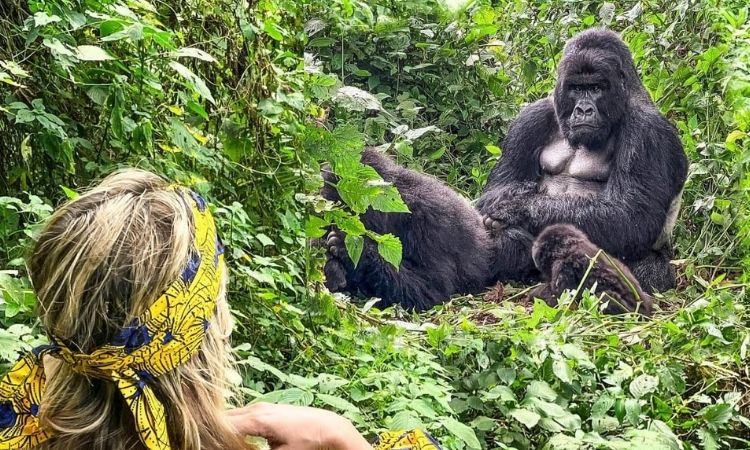
Gorilla Trekking: Best during the dry season when trails are easier to navigate and gorillas often stay at lower altitudes. Trekking is possible year-round, but wet conditions can make hikes more strenuous.
-
Wildlife Safaris: Dry season offers thinner vegetation and better wildlife visibility as animals gather near water sources. In the rainy season, you may spot newborn animals and enjoy greener landscapes.
-
Birdwatching: Uganda is a birder’s paradise throughout the year. Migratory birds arrive from November to April, while resident species are most active during the dry months.
| Activity / Preference | Best Time to Visit | Why |
|---|---|---|
| Gorilla Trekking | June–August, Dec–Feb | Dry trails, easier trekking |
| Wildlife Safaris | June–August, Dec–Feb | Better visibility, animals at water sources |
| Birdwatching | Nov–Apr (migratory), May–Sept (resident) | Peak birdlife activity |
| Budget Travel | Mar–May, Sept–Nov | Lower prices, fewer tourists |
| Avoiding Crowds | Mar–May, Sept–Nov | Quieter parks, more availability |
| Lush Landscapes | Mar–May, Sept–Nov | Vibrant greenery, great photography |
3. Crowds & Costs
-
Peak Season (June–August & December–February): Higher demand for lodges and gorilla permits, so book well in advance. Expect premium prices and busier parks.
-
Shoulder Season (March–May & September–November): Fewer tourists, discounted rates, and a more relaxed safari experience. However, weather may be less predictable.
4. Personal Preferences- Visit Uganda for Gorilla & Wildlife
Your perfect time to visit Uganda really depends on what you value most from your safari or adventure. Each season offers its own unique charm, so think about the kind of memories you want to create:
Love sunshine and comfort?
If warm, dry weather makes your trip more enjoyable, the dry months (June–August and December–February) are your best bet. These periods bring clear skies, easier trekking trails, and smooth game drives with less mud. You’ll also have the best chance of seeing animals congregate near waterholes. This is a fantastic time for first-time safari-goers, families with children, or anyone who wants to combine adventure with comfort.
Prefer solitude and savings?
If you’d rather avoid crowds and stretch your travel budget, then the rainy seasons (March–May and September–November) will work beautifully for you. With fewer tourists in the parks, game drives feel more intimate, and lodges often offer discounted rates. Gorilla trekking permits are easier to secure at short notice, and you’ll enjoy a calmer, more personal safari atmosphere. The occasional rain shower is a small trade-off for the peace and value you’ll gain.
Passionate about photography or birds?
Uganda’s green seasons bring landscapes alive with rich colors and dramatic skies — a dream for photographers. Rain often clears to reveal golden sunsets, misty mornings in the forest, and reflections in the lakes. For birders, the migratory season (November–April) is especially rewarding, as species from Europe and Asia join Uganda’s already abundant birdlife. If you’re after rare shots or an unbeatable bird checklist, this is your moment.
Focused on gorilla trekking?
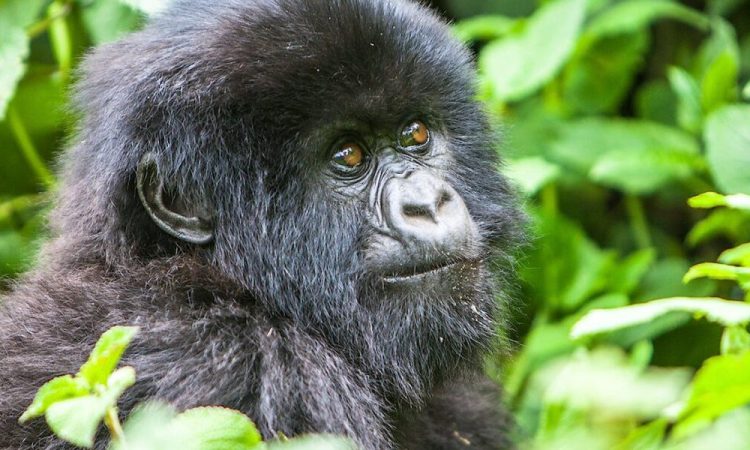
For many travelers, gorilla trekking is the highlight of a Uganda safari. While it’s possible year-round, the dry seasons make hiking more manageable, with less mud and easier access to gorilla families. However, the rainy season offers its own magic: smaller trekking groups, lush jungle settings, and the thrill of tackling a more adventurous route to meet the gorillas.
Classic safari lover?
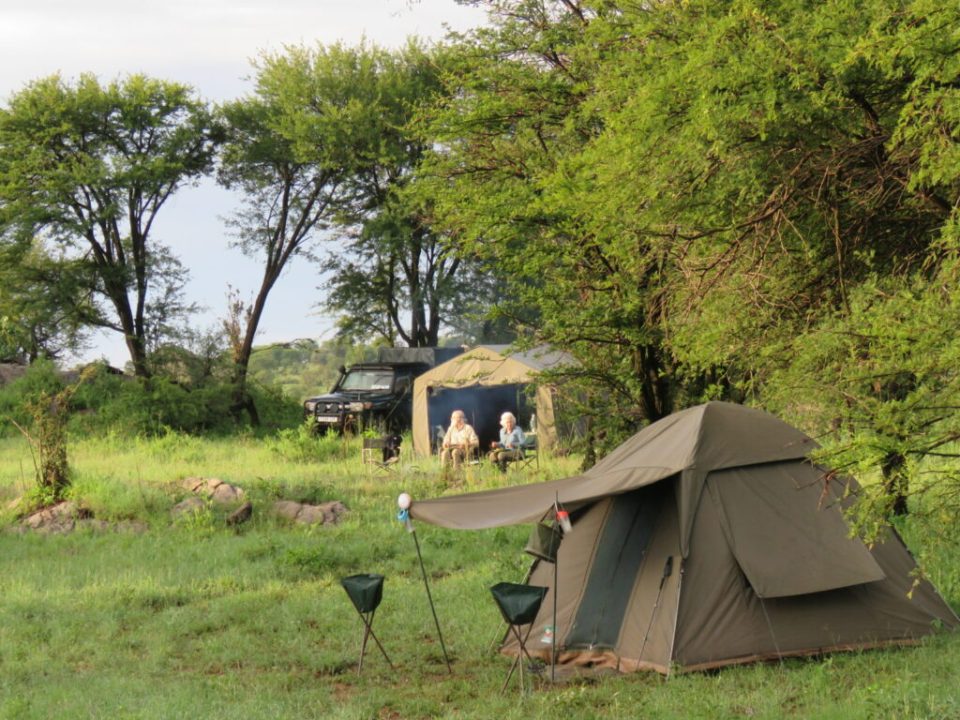
If your dream safari is watching elephants cross the savanna or lions hunting in the grasslands, then the dry season is your window. Wildlife gathers around shrinking water sources, making sightings more frequent and predictable. Grass is shorter, which means clearer views during game drives — perfect for both spotting and photography.
Uganda’s Rainy Seasons- Visit Uganda for Gorilla & Wildlife
Uganda has two rainy periods, each with its own appeal:
-
Long Rains (March–May): Heavy showers bring lush, vibrant landscapes and waterfalls in full flow. Lower prices and fewer visitors make this attractive for adventurous travelers. Downsides include muddier trekking conditions.
-
Short Rains (September–November): Lighter rains with more sunshine in between. This is an excellent balance for those seeking greenery, birdlife, and fewer crowds without the intensity of the long rains.
Travel Tips for the Rainy Season:
-
Pack waterproof gear (jacket, boots, rain cover for cameras).
-
Use a 4×4 vehicle for national park safaris.
-
Book lodges with covered walkways and indoor spaces.
Uganda’s Dry Seasons
-
June–August: Clear skies, pleasant temperatures, and excellent wildlife sightings as animals gather around rivers and waterholes. Perfect for gorilla trekking, photography, and hot air balloon safaris.
-
December–February: Similar to mid-year conditions. Migratory birds arrive, and the festive season creates a lively travel atmosphere.
Travel Tips for the Dry Season:
-
Reserve gorilla permits and lodges early.
-
Carry lightweight, breathable clothing plus sun protection.
-
Visit less-frequented parks (like Kidepo) if you want fewer crowds.
Month-by-Month Travel Guide
-
Jan–Feb: Peak dry season. Excellent gorilla trekking and safaris. High demand.
-
Mar–Apr: Start of rains. Fewer crowds, lush scenery, but muddy trails. Great for birding.
-
May: Transitional month. Still green, fewer tourists, occasional rain.
-
Jun–Aug: Best time for wildlife and gorillas. Clear skies, but busiest season.
-
Sept–Oct: Short rains. Fewer visitors, green landscapes, excellent birdwatching.
-
Nov: Rain continues, but migratory birds peak. Lower prices.
-
Dec: Start of dry season again. Popular for holiday safaris.
Final Thoughts: When Should You Visit Uganda?
Uganda is a year-round safari destination, but the best time depends on your travel style:
-
Go in the Dry Season (June–August, Dec–Feb): If you want reliable weather, easy trekking, and superb wildlife viewing.
-
Go in the Rainy Season (Mar–May, Sept–Nov): If you prefer lush scenery, fewer crowds, lower costs, and unique photo opportunities.
Whichever season you choose, Uganda delivers unforgettable experiences — from gorilla trekking in Bwindi Impenetrable Forest to game drives in Queen Elizabeth National Park and birdwatching along the Kazinga Channel.
Ready to start planning your trip? Our expert safari consultants can design a tailor-made Uganda itinerary, book your gorilla permits, and ensure every detail is handled, so all you have to do is enjoy your adventure.